Kiwi Fruit Cultivation in California (USA): Climate Stress Modeling – Varieties, Soil & Harvest
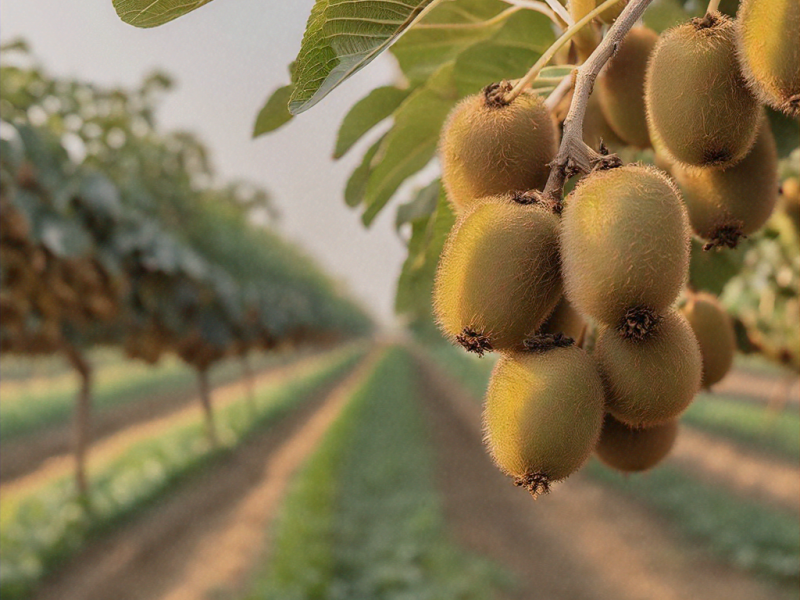
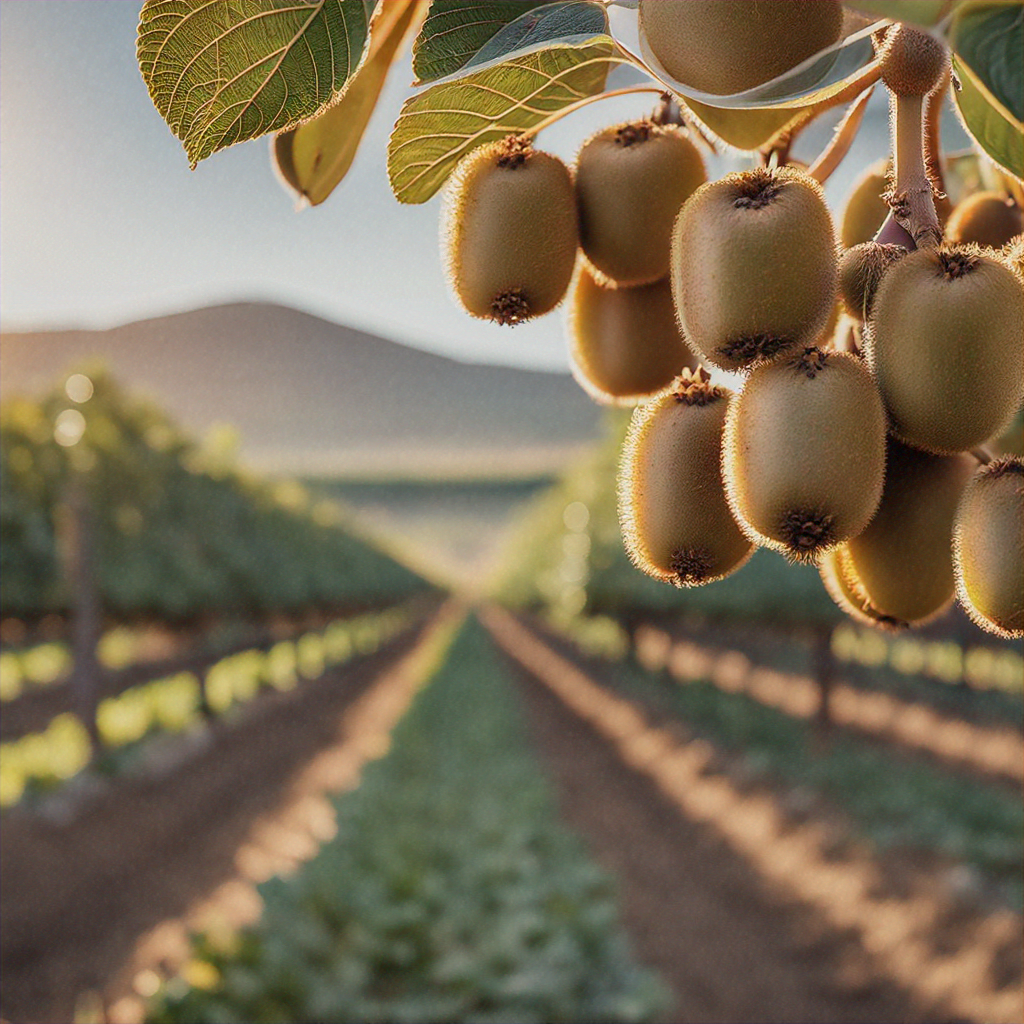
In the heart of the Golden State, where the sun shines brightly and the land is bountiful, a unique agricultural venture is taking shape – the cultivation of kiwi fruit in California. As the global climate continues to shift, understanding the resilience and adaptability of this delectable fruit in the face of environmental stressors has become a critical area of research. This blog post delves into the intricacies of kiwi fruit cultivation in California, exploring the various cultivars, soil requirements, and the impact of climate stress on harvest yields.
Kiwi Fruit Varieties in California
California’s diverse microclimates and unique growing conditions have allowed for the successful cultivation of several kiwi fruit varieties. While the iconic Hayward kiwi, with its fuzzy brown exterior and vibrant green flesh, remains a popular choice, other cultivars have gained traction in recent years.
- Saanichton: Originating from Canada, this variety is known for its outstanding cold tolerance, making it a viable option for cooler regions of California.
- AU Fitzgerald: Hailing from Australia, this cultivar boasts a larger fruit size and a slightly more oblong shape, appealing to both consumers and commercial growers.
- Tomuri: As a male pollinator variety, Tomuri plays a crucial role in ensuring successful fruit set for other kiwi cultivars, making it an essential component of many California orchards.
- Golden Kiwi: With its stunning golden-yellow flesh and sweet, tropical flavor, this variety has gained popularity among health-conscious consumers seeking a unique twist on the traditional kiwi.
The selection of kiwi fruit varieties in California is a carefully considered balance, taking into account factors such as climate resilience, yield potential, and market demand. Growers work closely with researchers and extension services to identify the most suitable cultivars for their specific growing regions, ensuring the long-term sustainability and profitability of their operations.
Soil Requirements for Kiwi Fruit Cultivation
Kiwi fruit thrives in well-drained, fertile soils with a pH range of 5.5 to 6.5. In California’s diverse landscape, growers must carefully assess the soil characteristics of their land to ensure optimal growing conditions for their kiwi orchards.
Ideal soil for kiwi cultivation should have the following properties:
- Texture: A loamy soil texture, with a balanced mixture of sand, silt, and clay, provides the necessary drainage and nutrient retention for kiwi roots to thrive.
- Organic Matter: A generous amount of organic matter, such as compost or well-rotted manure, helps to improve soil structure, water-holding capacity, and nutrient availability.
- Drainage: Proper drainage is crucial, as kiwi plants are susceptible to waterlogging and root rot. Growers may need to implement drainage systems or amend the soil to ensure adequate water movement.
- Nutrient Balance: Kiwi plants require a balanced supply of essential nutrients, including nitrogen, phosphorus, and potassium. Soil testing and targeted fertilization are essential to maintaining optimal plant health and productivity.
In regions where the native soil does not meet the specific requirements for kiwi cultivation, growers may need to employ soil amendments or raised bed systems to create the ideal growing environment. This attention to soil management is a critical component of successful kiwi fruit production in California.
Climate Stress and Its Impact on Kiwi Fruit Harvest
As the effects of climate change continue to manifest, understanding the impact of environmental stressors on kiwi fruit cultivation has become a pressing concern for California growers. The state’s Mediterranean climate, characterized by warm, dry summers and mild, wet winters, has traditionally provided an optimal growing environment for kiwi. However, the increasing frequency and intensity of extreme weather events, such as heatwaves, droughts, and late spring frosts, pose significant challenges to the industry.
Researchers at the University of California, Davis, have been at the forefront of climate stress modeling for kiwi fruit cultivation in the state. Their studies have revealed the following insights:
- Temperature Stress: Prolonged periods of high temperatures, especially during the critical flowering and fruit development stages, can lead to reduced pollination, fruit set, and overall yield. Growers are exploring strategies like evaporative cooling and shading to mitigate the effects of heat stress.
- Water Availability: Changing precipitation patterns, coupled with prolonged droughts, have reduced the availability of surface and groundwater for irrigation. Kiwi plants, which require consistent moisture, are particularly vulnerable to these water-related stressors, leading to decreased fruit size and quality.
- Late Spring Frosts: In recent years, California has experienced unexpected late spring frost events, which can damage delicate kiwi blossoms and emerging fruit. Growers are evaluating the use of frost protection methods, such as wind machines and overhead sprinklers, to mitigate these risks.
To address these climate-related challenges, researchers are working closely with growers to develop comprehensive strategies for climate change adaptation. This includes the evaluation of new kiwi cultivars with improved stress tolerance, the implementation of precision irrigation systems, and the exploration of alternative water sources, such as recycled wastewater and desalination.
Moreover, the research team is studying the potential of integrated pest management (IPM) techniques to enhance the resilience of kiwi orchards. By adopting a holistic approach that combines biological controls, cultural practices, and targeted pesticide use, growers can reduce their reliance on chemical inputs while maintaining the health and productivity of their kiwi fruit crops.
Harvesting and Post-Harvest Considerations
The successful cultivation of kiwi fruit in California culminates in the pivotal harvest season, which typically runs from October to November. Growers meticulously monitor the maturity of their kiwi crops, ensuring that the fruit is harvested at the optimal stage of ripeness to maximize quality and shelf life.
Harvest protocols for California kiwi fruit involve the following key steps:
- Timing: Kiwi fruit is harvested when the soluble solids content (Brix) reaches 6.5-8.0%, and the fruit firmness is between 13-20 pounds per square inch (lbs/in²).
- Handling: Kiwi fruit is carefully hand-picked to minimize bruising and damage, then gently placed in well-ventilated bins or crates for transport to packing facilities.
- Storage: Post-harvest, the kiwi fruit is stored in cool, humidity-controlled environments to maintain freshness and extend shelf life. Optimal storage conditions are around 32°F (0°C) with 90-95% relative humidity.
- Packaging: Kiwi fruit is typically packaged in clamshells, trays, or boxes to protect the delicate fruit during distribution and marketing.
California’s kiwi fruit industry takes great pride in delivering high-quality, sustainably grown produce to both domestic and international markets. By staying at the forefront of research and innovation, growers and researchers are working together to ensure the long-term viability and adaptability of this unique crop in the face of a changing climate.
👥 Readers added context they thought people might want to know
Agri-X Verified PunjabFarmer_01
✔
PunjabFarmer_01
✔
Current formatting suggests planting in June. However, 2025 IMD data confirms delayed monsoon. Correct action: Wait until July 15th for this specific variety.
Have a correction? Log in to contribute.