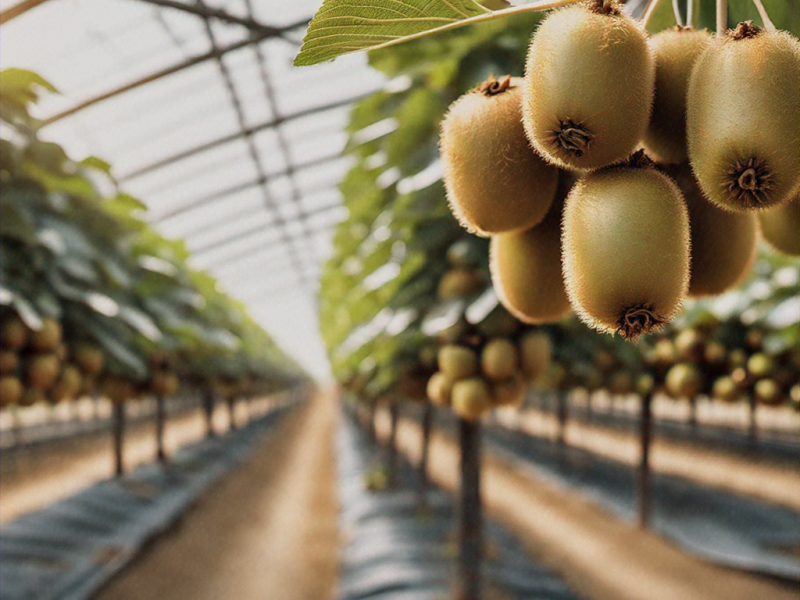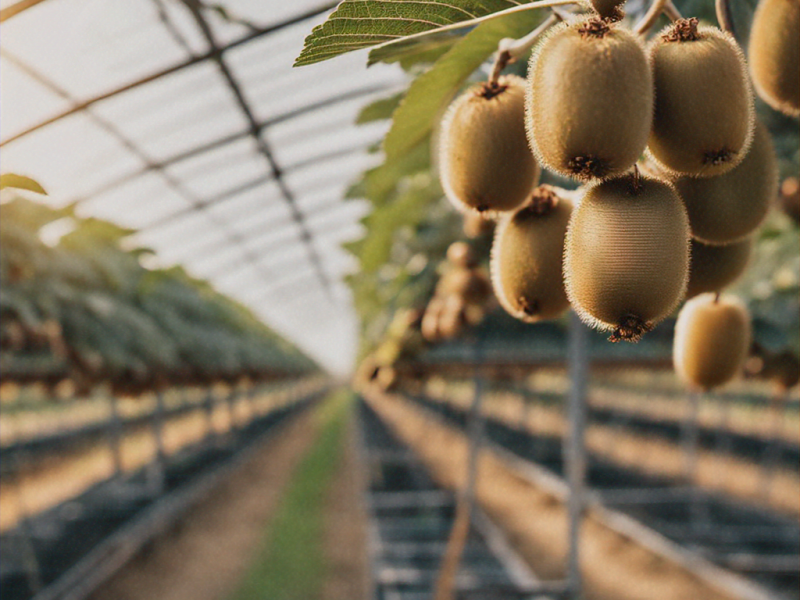

Growing Kiwi Fruit – Climate Stress Modeling for China: Complete Guide & Best Practices
In the ever-evolving landscape of agriculture, the cultivation of kiwi fruit has emerged as a significant focus area, particularly in the context of China’s changing climatic conditions. As the world grapples with the challenges of food security and sustainable farming practices, understanding the complex interplay between climate, plant growth, and yield optimization has become increasingly crucial. This comprehensive guide will delve into the world of kiwi fruit cultivation, exploring the nuances of climate stress modeling and outlining the best practices for thriving kiwi orchards in China.
The Importance of Kiwi Fruit in China
Kiwi fruit, native to the Yangtze River Valley in China, has become a beloved and economically significant crop in the region. With its distinctive green flesh, delicate flavor, and remarkable nutritional profile, kiwi fruit has gained widespread popularity both domestically and globally. China, as the world’s leading producer of kiwi fruit, accounts for over 50% of global production, making it a critical player in the international kiwi market.
However, the country’s diverse climatic conditions, ranging from temperate to subtropical, present both opportunities and challenges for kiwi fruit cultivation. Understanding the impact of these climatic variations on plant growth, fruit quality, and yield is essential for ensuring the long-term sustainability and profitability of kiwi orchards in China.
Climate Stress Modeling: A Comprehensive Approach
Climate stress modeling is a powerful tool that allows agricultural researchers and practitioners to anticipate the effects of changing environmental conditions on kiwi fruit cultivation. By integrating meteorological data, soil characteristics, and plant physiology, climate stress models can provide invaluable insights into the complex interactions that govern kiwi fruit growth and development.
In the context of China, climate stress modeling for kiwi fruit cultivation must consider several key factors, including:
- Temperature Fluctuations: Kiwi fruit is particularly sensitive to extreme temperature fluctuations, both during the growing season and dormancy periods. Climate stress models can help identify optimal temperature ranges and predict the impact of heatwaves, cold snaps, and frost events on kiwi fruit productivity.
- Precipitation Patterns: The availability and distribution of water resources play a crucial role in kiwi fruit cultivation. Climate stress models can analyze historical rainfall data, project future precipitation trends, and guide irrigation management strategies to ensure optimal soil moisture levels.
- Solar Radiation: Kiwi fruit requires a delicate balance of sunlight exposure for photosynthesis and fruit development. Climate stress models can help determine the ideal light conditions and guide orchard layout and canopy management practices.
- Pest and Disease Dynamics: Changing climatic conditions can also influence the prevalence and severity of pests and diseases affecting kiwi fruit plants. Climate stress models can identify potential threats and inform integrated pest management strategies to protect kiwi orchards.
Best Practices for Kiwi Fruit Cultivation in China
Leveraging the insights gained from climate stress modeling, farmers and agricultural experts in China have developed a set of best practices for kiwi fruit cultivation. These practices aim to optimize plant growth, enhance fruit quality, and ensure the long-term sustainability of kiwi orchards in the face of climate-related challenges.
Site Selection and Orchard Design
The selection of an appropriate site for a kiwi fruit orchard is crucial. Climate stress models can help identify regions with favorable temperature ranges, adequate precipitation, and suitable soil characteristics. Factors such as elevation, slope, and proximity to water sources should also be considered to create an optimal microclimate for kiwi fruit cultivation.
Orchard design plays a vital role in maximizing productivity and resilience. Kiwi fruit plants require well-drained soil, abundant sunlight, and protection from strong winds. Climate stress models can guide the orientation of rows, the spacing between plants, and the choice of trellis systems to optimize light and air circulation within the orchard.
Cultivar Selection and Rootstock Management
Choosing the right kiwi fruit cultivars is another critical aspect of successful cultivation. Climate stress models can assist in identifying cultivars that are well-suited to the local climatic conditions, with a focus on traits such as cold tolerance, disease resistance, and fruit quality. Pairing the appropriate cultivars with compatible rootstocks can further enhance the resilience and productivity of kiwi orchards.
Rootstock selection is particularly important in regions with challenging soil conditions or the risk of soil-borne pests and diseases. Climate stress models can help farmers select rootstocks that are better able to withstand drought, salinity, or other environmental stressors, ensuring the long-term health and viability of the kiwi fruit plants.</
Irrigation and Nutrient Management
Effective irrigation and nutrient management are crucial for kiwi fruit cultivation, as these factors directly impact plant growth, fruit quality, and yield. Climate stress models can provide guidance on the optimal timing and amount of irrigation, taking into account factors such as evapotranspiration rates, soil moisture levels, and precipitation patterns.
Nutrient management strategies should be tailored to the specific needs of the kiwi fruit plants, considering factors like soil fertility, plant growth stage, and climatic conditions. Climate stress models can help farmers determine the appropriate fertilizer regimes, application methods, and timing to ensure optimal nutrient uptake and utilization by the plants.
Integrated Pest and Disease Management
Kiwi fruit plants are susceptible to a range of pests and diseases, which can be exacerbated by changing climatic conditions. Climate stress models can help identify potential pest and disease threats, as well as the environmental factors that may contribute to their prevalence. By incorporating this information, farmers can develop integrated pest and disease management strategies that combine cultural, biological, and targeted chemical control measures to protect their kiwi orchards.
Monitoring and early detection of pests and diseases are crucial, and climate stress models can assist in predicting and alerting farmers to potential outbreaks. This allows for proactive and timely intervention, minimizing the impact on kiwi fruit production and quality.
Adapting to Climate Change
As the global climate continues to evolve, the cultivation of kiwi fruit in China will face increasingly complex challenges. Climate stress models play a pivotal role in anticipating and preparing for these changes, enabling farmers to implement adaptive strategies that ensure the long-term sustainability of kiwi orchards.
Such strategies may include the introduction of new, climate-resilient kiwi fruit cultivars, the implementation of innovative irrigation and water conservation techniques, and the adoption of precision agriculture technologies to optimize resource use and minimize environmental impact. By staying ahead of the curve and embracing a proactive approach to climate change adaptation, kiwi fruit growers in China can safeguard the future of this valuable agricultural commodity.
Conclusion
The cultivation of kiwi fruit in China is a complex and dynamic endeavor, requiring a deep understanding of the intricate relationship between climate, plant growth, and yield optimization. By leveraging the power of climate stress modeling, farmers and agricultural experts can navigate the challenges of kiwi fruit cultivation and develop sustainable, climate-resilient practices that ensure the continued prosperity of this essential crop.
As the world grapples with the impacts of climate change, the lessons learned from kiwi fruit cultivation in China can serve as a valuable blueprint for other agricultural regions, inspiring innovative approaches to food production and fostering a more secure and sustainable future for all.
👥 Readers added context they thought people might want to know
Agri-X Verified PunjabFarmer_01
✔
PunjabFarmer_01
✔
Current formatting suggests planting in June. However, 2025 IMD data confirms delayed monsoon. Correct action: Wait until July 15th for this specific variety.
Have a correction? Log in to contribute.