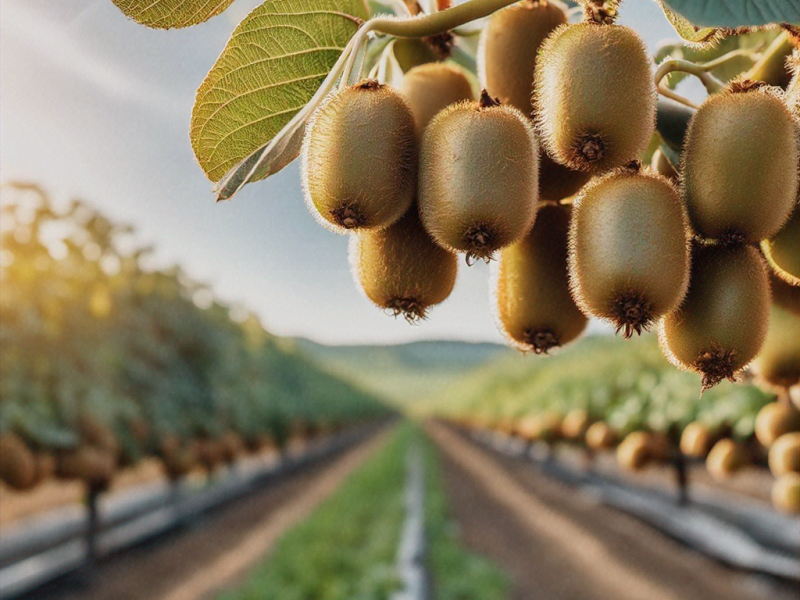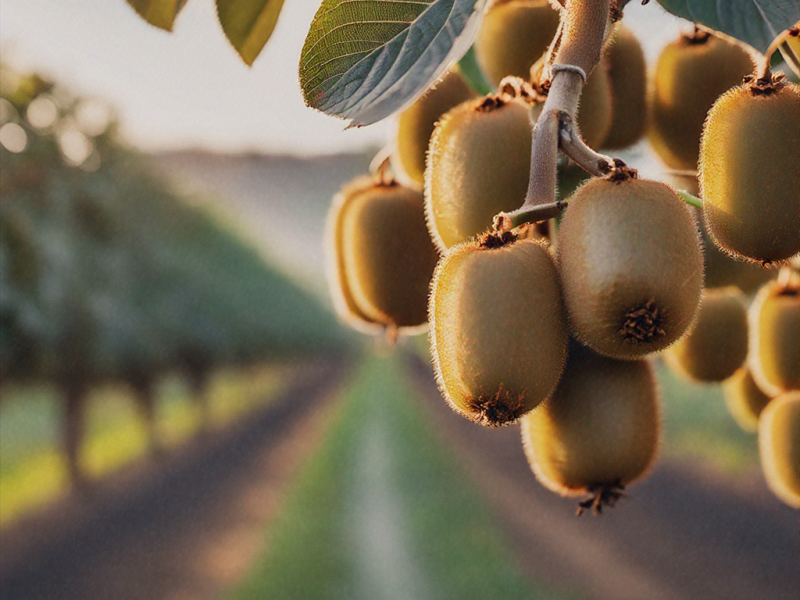
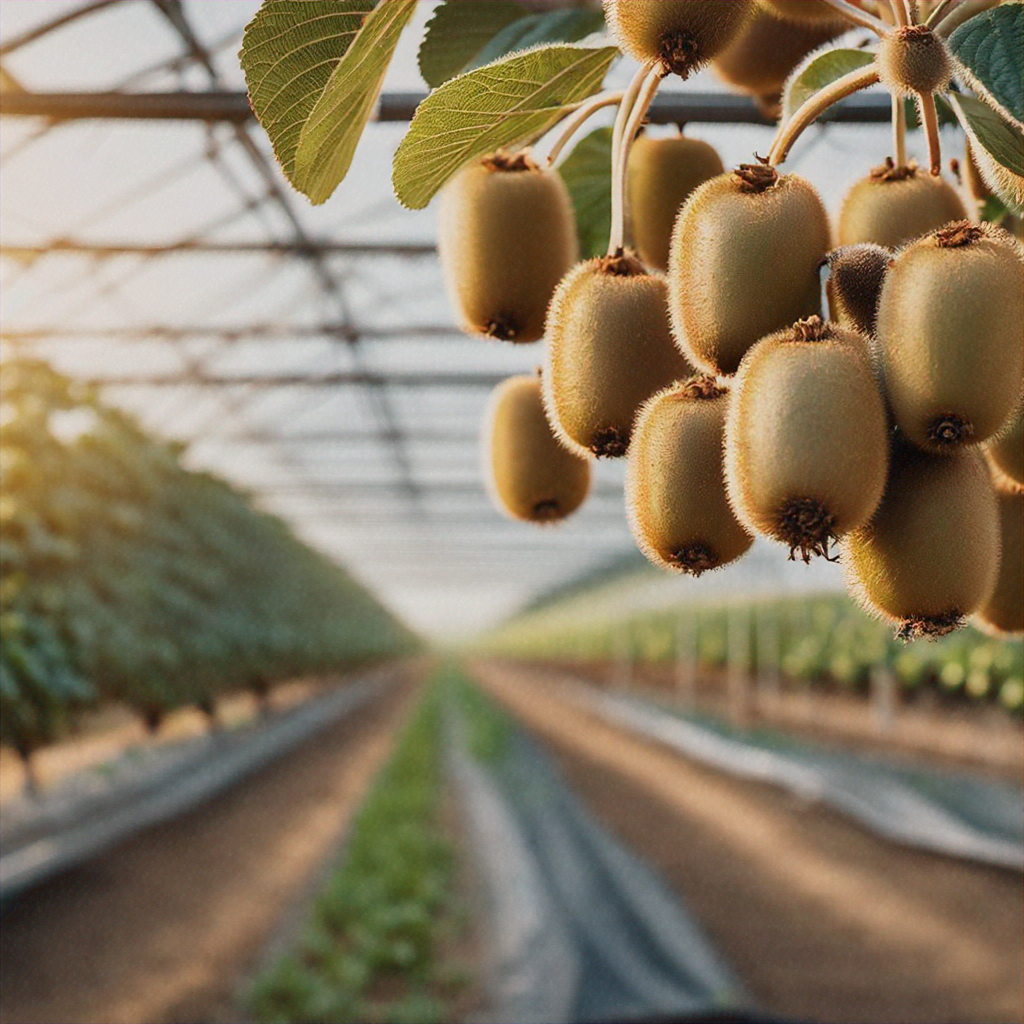
How to Grow Kiwi Fruit in Europe: Climate Stress Modeling – Complete How-To
As the global climate continues to shift, many gardeners and farmers in Europe are looking for ways to adapt their crop selections to the changing environmental conditions. One promising option that is gaining attention is the cultivation of kiwi fruit, a nutritious and versatile fruit that thrives in temperate climates. However, successfully growing kiwi fruit in Europe requires a deep understanding of the specific climate challenges and cultivation techniques needed to ensure a bountiful harvest. In this comprehensive guide, we’ll explore the process of climate stress modeling for kiwi fruit cultivation in Europe and provide a complete how-to for aspiring kiwi growers.
Understanding the Climate Challenges for Kiwi Fruit in Europe
Kiwi fruit, native to the temperate regions of China, have historically been well-suited to the mild, oceanic climates found in many parts of Europe. However, as the effects of climate change become more pronounced, even traditional kiwi-growing regions are facing new challenges. Some of the key climate-related stressors that kiwi growers in Europe must contend with include:
- Increased Temperatures: Rising global temperatures can disrupt the delicate balance of temperature and humidity that kiwi vines require, leading to issues like sunburn, drought stress, and reduced fruit quality.
- Erratic Precipitation Patterns: Shifts in rainfall patterns, including both prolonged droughts and intense, damaging storms, can wreak havoc on kiwi crops, jeopardizing the plant’s water needs and overall health.
- Late Spring Frosts: As the climate becomes more unpredictable, late spring frosts can pose a significant threat to newly emerging kiwi vines and flowers, potentially decimating an entire year’s harvest.
- Pest and Disease Pressures: Warmer temperatures and altered precipitation can create favorable conditions for a range of kiwi-specific pests and diseases, requiring vigilant pest management strategies.
Climate Stress Modeling for Kiwi Fruit Cultivation
To effectively navigate these climate-related challenges, kiwi growers in Europe must engage in a comprehensive process of climate stress modeling. This involves using advanced data analysis and simulation tools to predict the potential impacts of various climate change scenarios on kiwi fruit production. By understanding the specific risks and vulnerabilities associated with their local climate, growers can then develop and implement targeted mitigation strategies to ensure the long-term viability of their kiwi orchards.
The climate stress modeling process typically involves the following key steps:
- Data Collection: Gather historical weather data, climate projections, and other relevant environmental information for the region where the kiwi orchard will be established.
- Model Development: Use specialized software and algorithms to create a detailed climate stress model that simulates the potential impacts of temperature, precipitation, and other climate variables on kiwi fruit growth and productivity.
- Vulnerability Assessment: Analyze the model’s outputs to identify the specific climate-related risks and vulnerabilities that the kiwi orchard may face, such as the likelihood and severity of frost events, drought periods, or pest infestations.
- Adaptation Planning: Based on the vulnerability assessment, develop a comprehensive adaptation plan that incorporates strategies to mitigate climate-related risks, such as the use of frost protection systems, drought-tolerant rootstocks, or integrated pest management practices.
- Continuous Monitoring and Refinement: Regularly review and update the climate stress model as new data and climate projections become available, and adjust the adaptation plan accordingly to ensure the long-term resilience of the kiwi orchard.
Kiwi Fruit Cultivation Techniques for Europe
With a solid understanding of the climate-related challenges and a comprehensive adaptation plan in place, kiwi growers in Europe can then focus on the practical aspects of cultivating this rewarding crop. Here are the key steps to successfully grow kiwi fruit in Europe:
Site Selection and Preparation
Kiwi vines thrive in well-drained, nutrient-rich soils with a pH between 6.0 and 6.5. Choose a site that receives full sun exposure and is sheltered from strong winds, which can damage the vines and fruit. Prepare the soil by incorporating organic matter, such as compost or well-rotted manure, to improve its structure and fertility.
Planting and Training
Kiwi vines are typically planted in the spring, with a spacing of 4-6 meters between rows and 3-4 meters within rows. Train the vines to grow on a trellis or pergola system, which provides support and allows for better air circulation around the plants. Prune the vines regularly to maintain a balanced, open canopy that allows for optimal light exposure and fruit production.
Irrigation and Nutrient Management
Kiwi vines have high water requirements, especially during the growing season. Install a reliable irrigation system to ensure the plants receive consistent moisture, particularly during periods of drought. Fertilize the vines with a balanced, slow-release fertilizer or compost, paying close attention to the plant’s nutrient needs and adjusting application rates as necessary.
Frost Protection and Climate Adaptation
Implement targeted strategies to protect the kiwi vines from late spring frosts, such as the use of overhead sprinklers, wind machines, or insulating covers. Additionally, consider incorporating climate-resilient cultivation techniques, such as the use of drought-tolerant rootstocks or the installation of shading systems to mitigate the effects of rising temperatures.
Pest and Disease Management
Vigilantly monitor the kiwi vines for signs of pests and diseases, and be prepared to take swift action to address any issues that arise. Employ an integrated pest management approach that combines cultural, biological, and, if necessary, selective chemical controls to maintain the health and productivity of the kiwi orchard.
Harvesting and Post-Harvest Handling
Kiwi fruit are typically harvested in the autumn, when the fruit has reached full maturity and the correct sugar content. Handle the fruit gently during the harvesting and post-harvest storage processes to minimize bruising and ensure optimal quality and shelf life.
Conclusion
Growing kiwi fruit in Europe presents a unique set of challenges, particularly in the face of a rapidly changing climate. However, by engaging in comprehensive climate stress modeling and implementing targeted cultivation techniques, dedicated kiwi growers can overcome these obstacles and reap the rewards of this nutritious and versatile fruit. By embracing the principles of climate-smart agriculture, European kiwi growers can position themselves for long-term success and contribute to the overall resilience and sustainability of the region’s food systems.