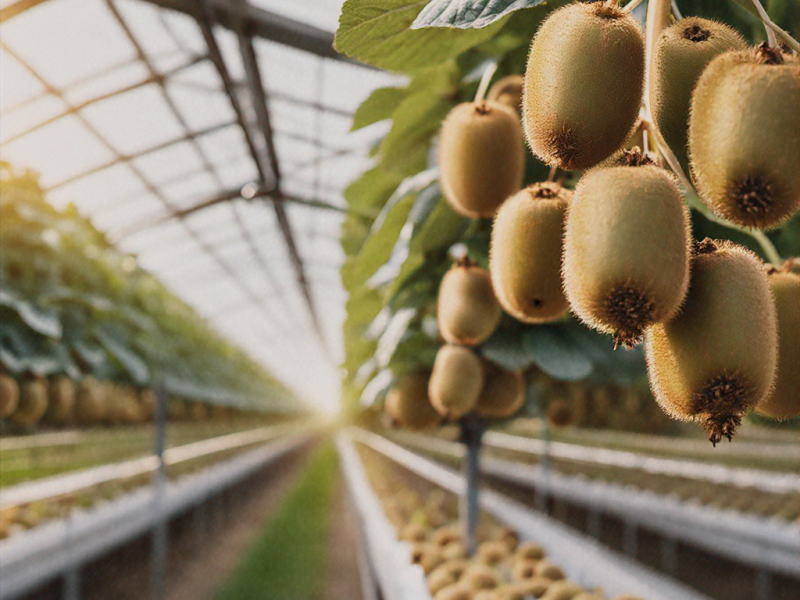

Growing Kiwi Fruit – Hydroponic & CEA Blueprint for North America: Complete Guide & Best Practices
In the vast expanse of North America, where diverse climates and landscapes abound, the cultivation of kiwi fruit has emerged as a promising venture. Once considered a rarity, the sweet and nutrient-rich kiwi is now capturing the attention of agricultural enthusiasts and entrepreneurs alike. This comprehensive guide will delve into the world of hydroponic and Controlled Environment Agriculture (CEA) techniques, equipping you with the knowledge and strategies to successfully grow kiwi fruit in the North American region.
Understanding the Kiwi Fruit and its Cultivation Needs
The kiwi fruit, botanically known as Actinidia deliciosa, is a hardy and versatile vine-like plant that thrives in temperate climates. Originating from the mountainous regions of China, the kiwi has found a new home in the diverse landscapes of North America, where growers are harnessing innovative techniques to cultivate this remarkable fruit.
Kiwi plants require specific environmental conditions to thrive, including:
- Moderate temperatures, typically ranging from 60°F to 80°F (15°C to 27°C)
- Adequate rainfall or irrigation, with a preference for well-drained, moisture-retentive soils
- Ample sunlight exposure, with a minimum of 6 hours of direct sunlight per day
- Protection from harsh winds and frost, which can damage the delicate vines and blossoms
Embracing Hydroponic and CEA Techniques
In the face of the diverse climates and growing conditions found across North America, traditional soil-based kiwi cultivation can be challenging. This is where hydroponic and Controlled Environment Agriculture (CEA) techniques emerge as game-changers, allowing growers to cultivate kiwi fruit in a more controlled and efficient manner.
Hydroponic Kiwi Fruit Cultivation
Hydroponic systems, which rely on nutrient-rich water solutions instead of soil, offer numerous advantages for kiwi fruit production. By precisely controlling the nutrient balance, pH levels, and water delivery, hydroponic growers can create an optimal growing environment for their kiwi vines, leading to higher yields and improved fruit quality.
The key steps in establishing a successful hydroponic kiwi fruit operation include:
- Selecting an appropriate hydroponic system, such as deep-water culture, nutrient film technique, or aeroponics
- Designing a climate-controlled greenhouse or indoor growing facility to maintain the ideal temperature, humidity, and lighting conditions
- Constructing a robust support structure for the kiwi vines, allowing for vertical growth and efficient use of space
- Developing a comprehensive nutrient management plan, meticulously balancing essential macro- and micronutrients
- Implementing effective pest and disease control measures, leveraging integrated pest management strategies
- Carefully monitoring and adjusting the growing environment to ensure optimal plant health and fruit development
Controlled Environment Agriculture (CEA) for Kiwi Fruit
Controlled Environment Agriculture (CEA) is another innovative approach to kiwi fruit cultivation, offering growers the ability to tailor the growing conditions to their specific needs. CEA systems utilize advanced technologies and automation to create a highly controlled and optimized environment for plant growth.
The key elements of a successful CEA-based kiwi fruit operation include:
- Constructing a sophisticated greenhouse or indoor growing facility with precise climate control systems
- Implementing advanced lighting technologies, such as LED or supplemental lighting, to ensure optimal light exposure
- Integrating automated irrigation and nutrient delivery systems to maintain optimal soil moisture and nutrient levels
- Employing cutting-edge sensors and data analytics to monitor and fine-tune the growing environment in real-time
- Developing comprehensive pest and disease management strategies, leveraging biological controls and precision application of pesticides
- Optimizing the growing system for efficient resource utilization, including water, energy, and labor
Challenges and Considerations
While the allure of hydroponic and CEA-based kiwi fruit cultivation is undeniable, it is essential to address the unique challenges and considerations that come with these innovative growing methods.
Infrastructure and Capital Investment
Establishing a hydroponic or CEA-based kiwi fruit operation requires significant upfront investment in infrastructure, including the construction of greenhouses or indoor growing facilities, specialized equipment, and advanced control systems. Careful financial planning and access to capital are crucial for the success of such ventures.
Energy and Resource Consumption
Controlled environments, such as greenhouses and indoor growing facilities, often have higher energy demands for lighting, climate control, and water management. Growers must carefully evaluate their energy sources, optimize resource efficiency, and explore sustainable solutions to minimize their environmental impact.
Pest and Disease Management
The controlled nature of hydroponic and CEA systems can create unique pest and disease challenges. Growers must stay vigilant, implement comprehensive Integrated Pest Management (IPM) strategies, and be prepared to address any outbreaks swiftly to protect their kiwi fruit crop.
Skill and Expertise Requirements
Successful kiwi fruit cultivation in hydroponic and CEA systems requires a high level of technical expertise and specialized knowledge. Growers must be adept at managing the complex growing environment, troubleshooting issues, and continuously optimizing their operations to achieve the best results.
Embracing the Future of Kiwi Fruit Production
As the North American region embraces the potential of kiwi fruit cultivation, the adoption of hydroponic and Controlled Environment Agriculture (CEA) techniques holds immense promise. By leveraging these innovative approaches, growers can overcome the challenges posed by diverse climates, optimize resource utilization, and cultivate kiwi fruit with remarkable efficiency and quality.
The road ahead may be paved with unique obstacles, but the rewards of a thriving kiwi fruit industry in North America are well worth the journey. By combining cutting-edge technology, sustainable practices, and a deep understanding of the kiwi plant’s needs, growers can unlock a future where kiwi fruit becomes a staple in the diverse culinary landscape of the continent.
👥 Readers added context they thought people might want to know
Agri-X Verified PunjabFarmer_01
✔
PunjabFarmer_01
✔
Current formatting suggests planting in June. However, 2025 IMD data confirms delayed monsoon. Correct action: Wait until July 15th for this specific variety.
Have a correction? Log in to contribute.