Kiwi Fruit Cultivation in the United States: Doctor Intelligence (Diseases) – Varieties, Soil & Harvest
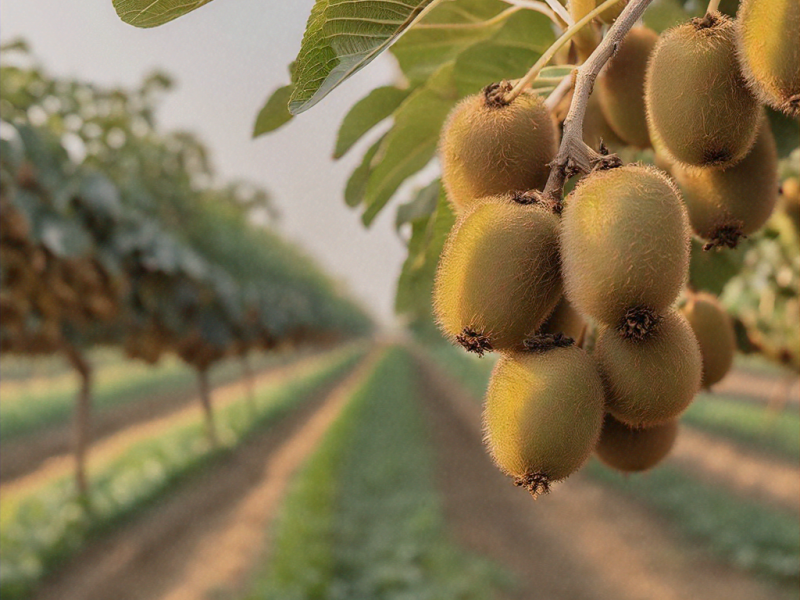
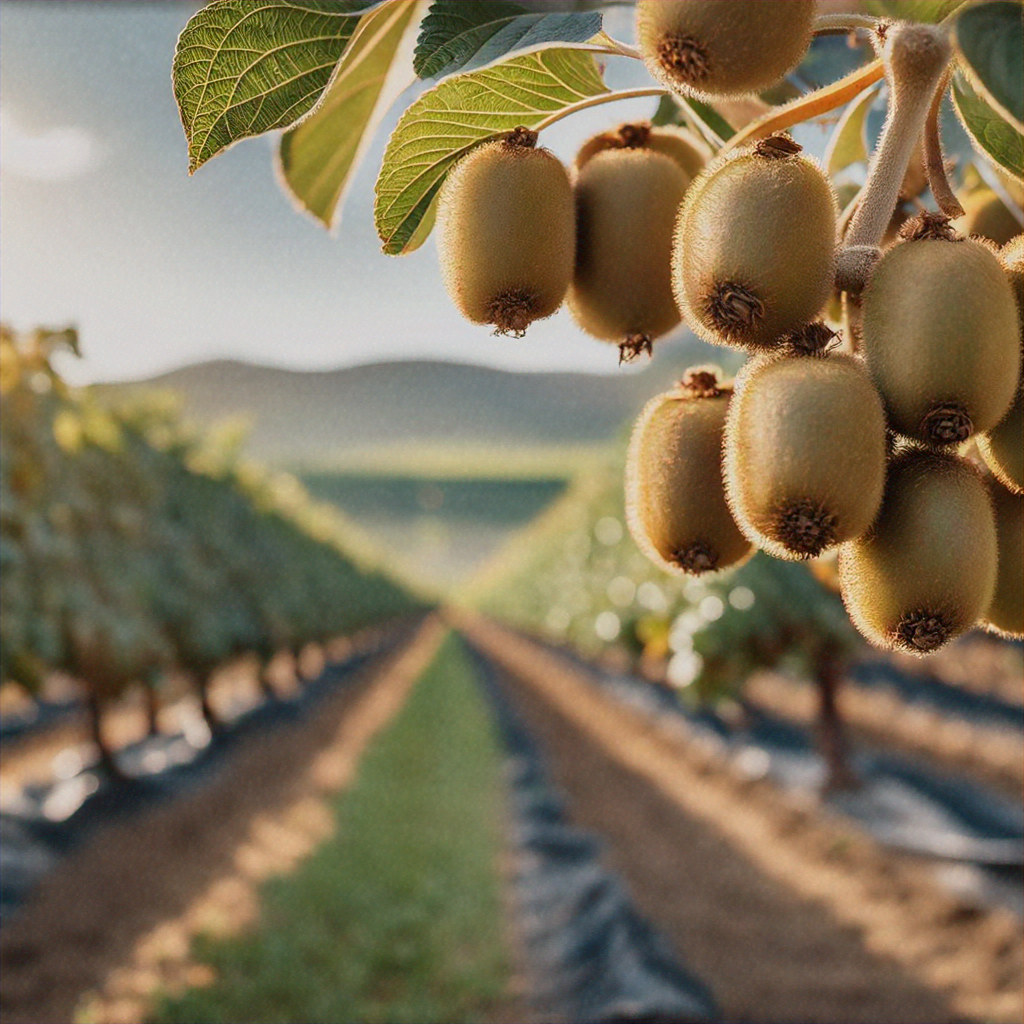
The kiwi fruit, with its unique flavor and impressive nutritional profile, has gained significant popularity in the United States in recent years. As a result, the demand for high-quality kiwi fruits has been steadily increasing, driving the need for efficient and sustainable cultivation practices. In this comprehensive blog post, we will delve into the world of kiwi fruit cultivation in the United States, exploring the various aspects that contribute to its successful production.
Understanding Kiwi Fruit Varieties
The kiwi fruit, botanically known as Actinidia, encompasses a diverse range of species and cultivars. In the United States, the most commonly grown varieties include:
- Hayward: This green-fleshed variety is the most widely cultivated kiwi fruit in the country. It is known for its large size, sweet flavor, and high productivity.
- Gold Kiwi: Also known as Actinidia chinensis, this variety features a golden-yellow flesh with a slightly sweeter taste compared to the Hayward.
- SunGold: A newer cultivar that combines the sweetness of the Gold Kiwi with increased disease resistance and a higher sugar content.
- Red Kiwi: A unique variety with a striking red flesh that offers a distinct flavor profile and a rich source of antioxidants.
Each of these varieties has its own unique characteristics, making them suitable for different growing regions, culinary applications, and consumer preferences. Understanding the nuances of these varieties is crucial for farmers to make informed decisions about which cultivars to grow and market.
Soil Requirements and Climate Considerations
Kiwi fruits thrive in specific soil and climatic conditions, which are essential for their successful cultivation in the United States. Optimal kiwi fruit growth requires:
- Soil Type: Kiwi fruits prefer well-drained, fertile soils with a pH range of 5.5 to 6.5. They perform best in loamy or sandy loam soils that are rich in organic matter.
- Irrigation: Kiwi plants require consistent moisture, especially during the flowering and fruit development stages. Drip irrigation systems are often used to ensure efficient water management.
- Temperature: Kiwi fruits grow best in temperate climates with moderate temperatures, typically ranging from 60°F to 80°F (15°C to 27°C) during the growing season.
- Sunlight: Kiwi plants thrive in full sun exposure, requiring at least 6 to 8 hours of direct sunlight per day for optimal growth and fruit production.
- Frost Protection: Kiwi plants are susceptible to frost damage, particularly during the flowering and fruit set stages. Growers may need to implement frost protection measures, such as using wind machines or overhead sprinklers, to ensure a successful harvest.
By carefully considering these soil and climate requirements, farmers can select the most suitable growing regions and implement appropriate management practices to ensure the best possible kiwi fruit yields.
Challenges and Diseases in Kiwi Fruit Cultivation
While kiwi fruit cultivation can be a rewarding endeavor, it is not without its challenges. Kiwi plants can be susceptible to various diseases and pests, which can significantly impact the quality and quantity of the harvest. Doctor Intelligence, a leading authority in the field of agricultural diseases, has identified some of the most common issues faced by kiwi fruit growers in the United States:
Diseases
- Pseudomonas Syringae: This bacterial disease, also known as bacterial canker, can cause leaf and shoot blight, as well as fruit rot. It can be particularly problematic in cool, wet conditions.
- Botrytis Cinerea: Also known as gray mold, this fungal disease can affect the flowers, leaves, and fruit, leading to significant losses if not properly managed.
- Phytophthora Root Rot: This soil-borne fungal disease can attack the roots of kiwi plants, causing wilting, stunted growth, and eventual plant death.
- Armillaria Root Rot: Also known as honey fungus, this fungal disease can infect the roots and lower stems of kiwi plants, leading to decay and plant death.
Pests
- Aphids: These small sap-sucking insects can infest kiwi plants, causing stunted growth, leaf curling, and the potential spread of viral diseases.
- Mealybugs: These insects can feed on the plant’s sap, leading to weakened plants, reduced fruit quality, and the spread of sooty mold.
- Thrips: These tiny insects can cause damage to the flowers, leaves, and fruit, leading to deformation and reduced marketability.
- Leafroller Moths: The larvae of these moths can feed on the leaves and fruit, causing significant damage and promoting the development of secondary diseases.
To combat these challenges, kiwi fruit growers must implement a comprehensive pest and disease management program that incorporates a combination of cultural, biological, and, if necessary, chemical control measures. Regular monitoring, early detection, and proactive intervention are key to maintaining a healthy and productive kiwi fruit orchard.
Cultivation Practices and Harvest
Successful kiwi fruit cultivation in the United States requires a thorough understanding of the optimal growing practices. Here are some essential elements to consider:
Planting and Trellising
Kiwi plants are typically established through the planting of dormant, bare-root vines or containerized plants. They require a sturdy trellis system to support the heavy fruit and allow for efficient vine training and management. Growers often use a T-bar or pergola-style trellis to provide the necessary structure and ensure adequate sun exposure for the plants.
Pruning and Training
Proper pruning and training techniques are crucial for maintaining the health and productivity of kiwi plants. Growers typically employ a combination of dormant, summer, and renewal pruning to encourage the development of strong, productive canes and optimize fruit yield.
Pollination and Fruit Set
Kiwi plants require cross-pollination to set fruit successfully. Growers often plant both male and female kiwi varieties within the orchard and introduce pollinator insects, such as bees, to ensure effective pollination and fruit development.
Irrigation and Fertilization
As mentioned earlier, kiwi plants require consistent moisture throughout the growing season. Growers may use drip irrigation systems or other water management techniques to ensure the plants receive the necessary water. Balanced fertilization, including the application of organic matter, is also crucial for maintaining soil fertility and supporting plant health.
Harvest and Postharvest Handling
Kiwi fruits are typically harvested in the fall, with the exact timing depending on the variety and local growing conditions. Growers must carefully monitor fruit maturity and harvest the kiwis at the optimal stage of ripeness to ensure the best flavor and quality. After harvest, the fruits are typically stored in cool, humid conditions to preserve their freshness and extend their shelf life before distribution and consumption.
The Future of Kiwi Fruit Cultivation in the United States
As the demand for kiwi fruits continues to grow in the United States, the future of kiwi fruit cultivation holds promising opportunities. With advancements in disease management, the development of new, more resilient cultivars, and the adoption of sustainable farming practices, kiwi fruit growers can look forward to increased productivity, improved fruit quality, and the ability to meet the evolving needs of consumers. By staying informed about the latest developments in kiwi fruit cultivation and working closely with experts like Doctor Intelligence, farmers can position themselves for success in this dynamic and rewarding agricultural sector.
👥 Readers added context they thought people might want to know
Agri-X Verified PunjabFarmer_01
✔
PunjabFarmer_01
✔
Current formatting suggests planting in June. However, 2025 IMD data confirms delayed monsoon. Correct action: Wait until July 15th for this specific variety.
Have a correction? Log in to contribute.