Unlocking the Potential of Kiwi Fruit Farming in India: A Comprehensive Guide and Expert Advice
In the vast and diverse landscape of Indian agriculture, one crop has been steadily gaining ground – the kiwi fruit. Often associated with New Zealand, this nutrient-rich fruit has found a thriving home in the rolling hills and temperate climates of certain regions in India. As the demand for kiwi fruit continues to rise, both domestically and globally, farmers are increasingly turning their attention to this lucrative venture. However, successful kiwi fruit farming requires a deep understanding of the crop’s unique needs, as well as the challenges posed by various diseases that can impact its growth and yield.
In this comprehensive guide, we delve into the world of kiwi fruit farming in India, exploring the expert advice and essential strategies that can help you navigate the path to a bountiful harvest. From site selection and cultivation practices to disease management and post-harvest handling, this article aims to equip you with the knowledge and tools necessary to thrive in the kiwi fruit farming industry.
Site Selection and Cultivation Practices
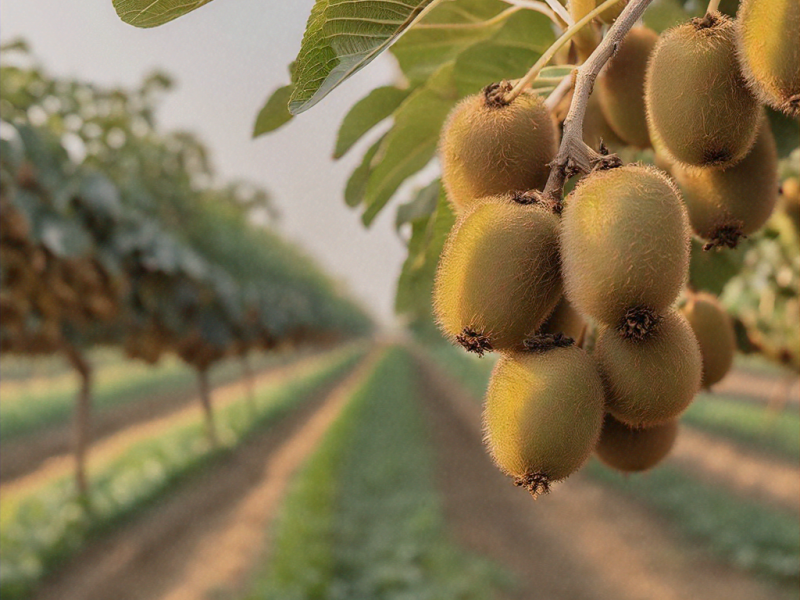
The first step in successful kiwi fruit farming is to identify the right growing location. Kiwi fruits thrive in regions with a temperate climate, moderate rainfall, and well-drained soil. In India, the states of Himachal Pradesh, Uttarakhand, and parts of the Nilgiris region in Tamil Nadu have proven to be prime kiwi fruit-growing areas.
When selecting a site, consider factors such as elevation, soil composition, and access to water resources. Kiwi plants prefer a well-aerated, loamy soil with a pH range of 5.5 to 6.5. Ensure that the site has a reliable source of irrigation, as kiwi fruits require consistent moisture throughout the growing season.
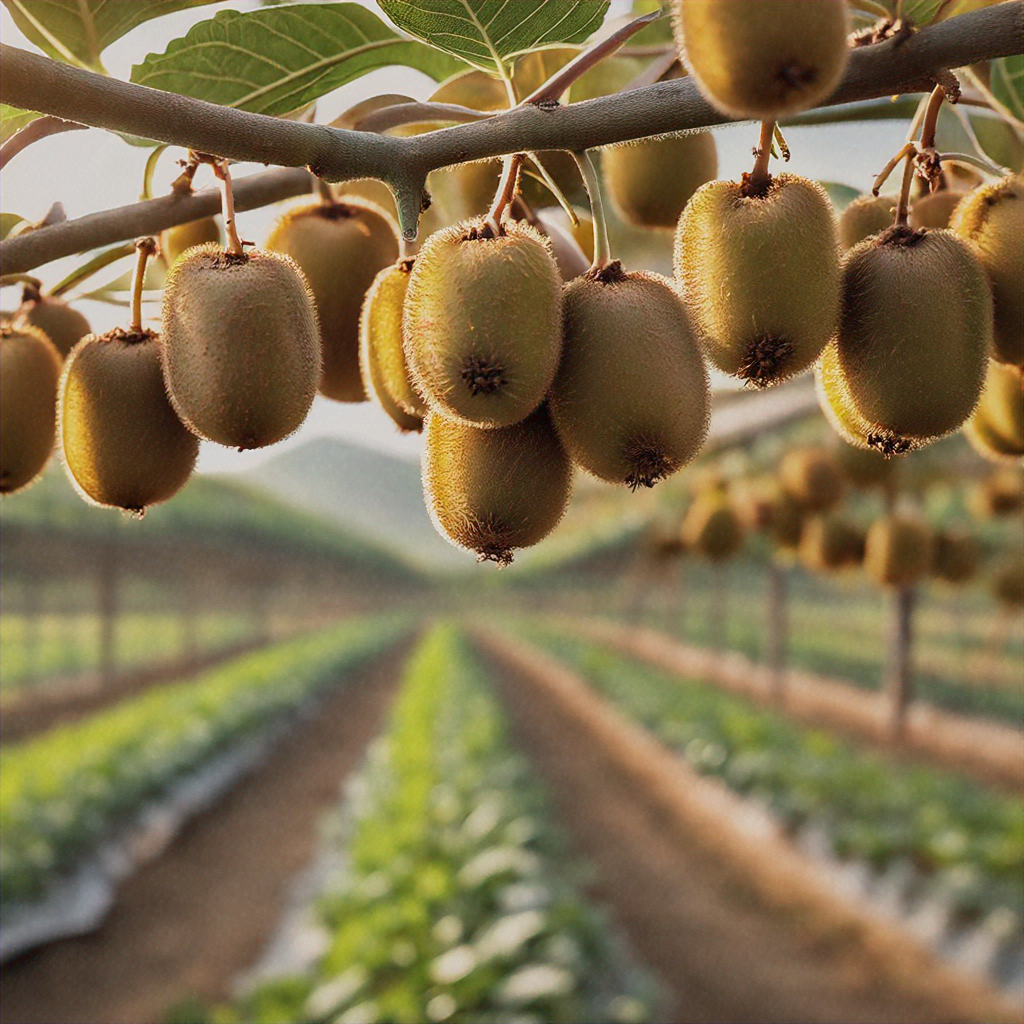
Proper cultivation practices are essential for the healthy growth and development of kiwi plants. Adopt a trellis or pergola system to support the vines, which can grow up to 6 meters in length. Prune the plants regularly to maintain their shape and encourage optimal fruit production. Additionally, implement integrated pest management (IPM) strategies to address any potential pest or disease issues.
Navigating Kiwi Fruit Diseases: Expert Advice
One of the key challenges in kiwi fruit farming is managing the various diseases that can impact the crop. As a diligent farmer, it’s crucial to be aware of these diseases and implement proactive measures to safeguard your kiwi fruit orchard. Let’s explore some of the common kiwi fruit diseases and the expert advice on how to address them:
Diseases and Management Strategies
- Botrytis Blight: Also known as grey mould, this fungal disease can affect the leaves, flowers, and fruits of kiwi plants. Symptoms include brown or grey lesions and premature fruit drop. To manage Botrytis blight, maintain good air circulation, avoid overhead irrigation, and apply fungicides during wet weather conditions.
- Pseudomonas Bacterial Canker: This bacterial disease can cause cankers, dieback, and fruit rot. Identify the disease by the presence of water-soaked lesions and discolored leaves. Employ cultural practices such as pruning affected parts, disinfecting tools, and applying copper-based bactericides to control the spread of Pseudomonas bacterial canker.
- Phytophthora Root Rot: A soil-borne disease that can lead to root and crown rot, Phytophthora root rot is exacerbated by poor drainage and excessive moisture. Improve soil drainage, avoid waterlogging, and use resistant rootstocks to mitigate the impact of this disease.
- Powdery Mildew: This fungal disease manifests as a white, powdery growth on the leaves and fruits, reducing the plant’s overall vigor. Maintain good air circulation, apply sulfur-based fungicides, and consider using resistant cultivars to manage powdery mildew.
- Armillaria Root Rot: Also known as oak root fungus, Armillaria root rot can cause wilting, dieback, and plant death. Identify the disease by the presence of white fungal mats and rhizomorphs at the base of the plant. Remove and destroy affected plants, improve soil drainage, and consider using resistant rootstocks.
In addition to these specific diseases, it’s essential to monitor your kiwi fruit orchard for any signs of nutritional deficiencies, insect pests, and environmental stresses that may compromise the plants’ health. Consult with local agricultural extension services or experienced kiwi fruit farmers to stay informed about the latest disease management strategies and best practices.
Harvesting and Post-Harvest Handling
Proper harvesting and post-harvest handling techniques are crucial for ensuring the quality and longevity of your kiwi fruit crop. Kiwi fruits are generally harvested in the autumn months, when the fruits have achieved their desired size, firmness, and sugar content. Carefully monitor the fruits’ maturity by regularly checking their appearance, size, and soluble solids content.
When harvesting, handle the fruits with care to minimize bruising and damage. Use clean, well-sanitized containers and avoid exposing the fruits to direct sunlight or high temperatures. After harvesting, store the kiwi fruits in a cool, well-ventilated environment, maintaining a temperature of 0-5°C and a relative humidity of 90-95%.
To extend the shelf life of your kiwi fruits, consider implementing post-harvest treatments such as waxing or the application of edible coatings. These techniques can help to reduce moisture loss, delay ripening, and protect the fruits from mechanical damage during transportation and storage.
Marketing and Profitability
As the demand for kiwi fruits continues to grow, both domestically and globally, there is a significant opportunity for Indian farmers to capitalize on this lucrative market. However, successful marketing and distribution strategies are crucial for ensuring the profitability of your kiwi fruit farming venture.
Explore various marketing channels, such as direct sales to local markets, partnerships with supermarket chains, and export opportunities to international markets. Engage with industry associations and research organizations to stay informed about the latest market trends, consumer preferences, and export regulations.
Additionally, consider value-added processing and product development to diversify your income streams. Kiwi fruits can be used in a wide range of products, from juices and jams to dried snacks and nutritional supplements. By exploring these avenues, you can unlock new revenue streams and enhance the overall profitability of your kiwi fruit farming business.
Conclusion
Kiwi fruit farming in India presents a promising opportunity for agricultural entrepreneurs and small-scale farmers alike. By understanding the unique requirements of kiwi plants, implementing effective disease management strategies, and adopting best practices in harvesting and post-harvest handling, you can unlock the full potential of this lucrative crop.
As you embark on your kiwi fruit farming journey, remember to stay informed, seek expert advice, and continuously adapt to the evolving market and environmental conditions. With the right knowledge and dedication, you can transform your kiwi fruit farm into a thriving and profitable enterprise, contributing to the growth and sustainability of India’s agricultural sector.
👥 Readers added context they thought people might want to know
Agri-X Verified PunjabFarmer_01
✔
PunjabFarmer_01
✔
Current formatting suggests planting in June. However, 2025 IMD data confirms delayed monsoon. Correct action: Wait until July 15th for this specific variety.
Have a correction? Log in to contribute.