Growing Kiwi Fruit in Europe: Doctor Intelligence (Diseases) – A Complete How-To Guide
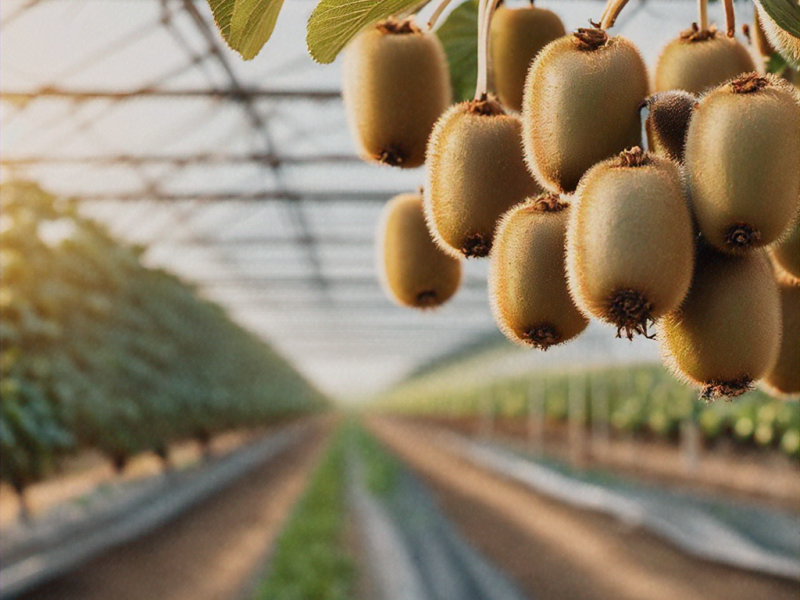
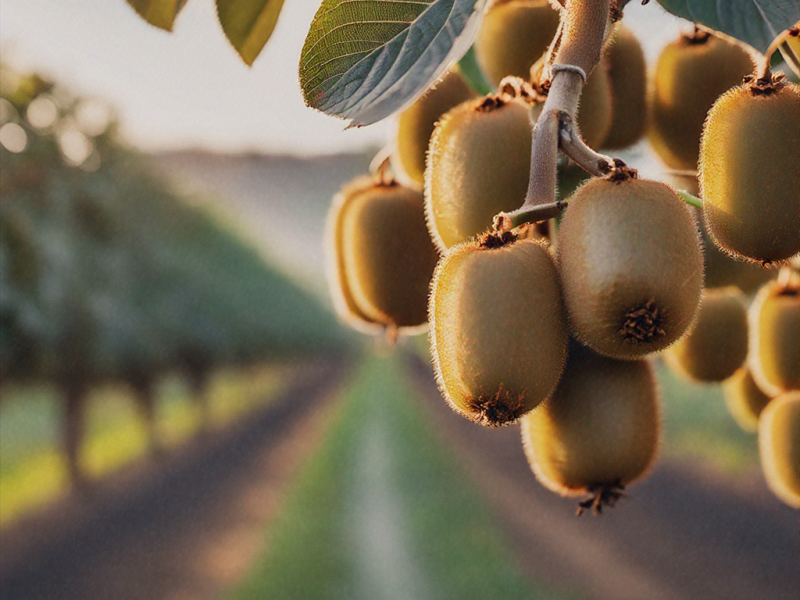
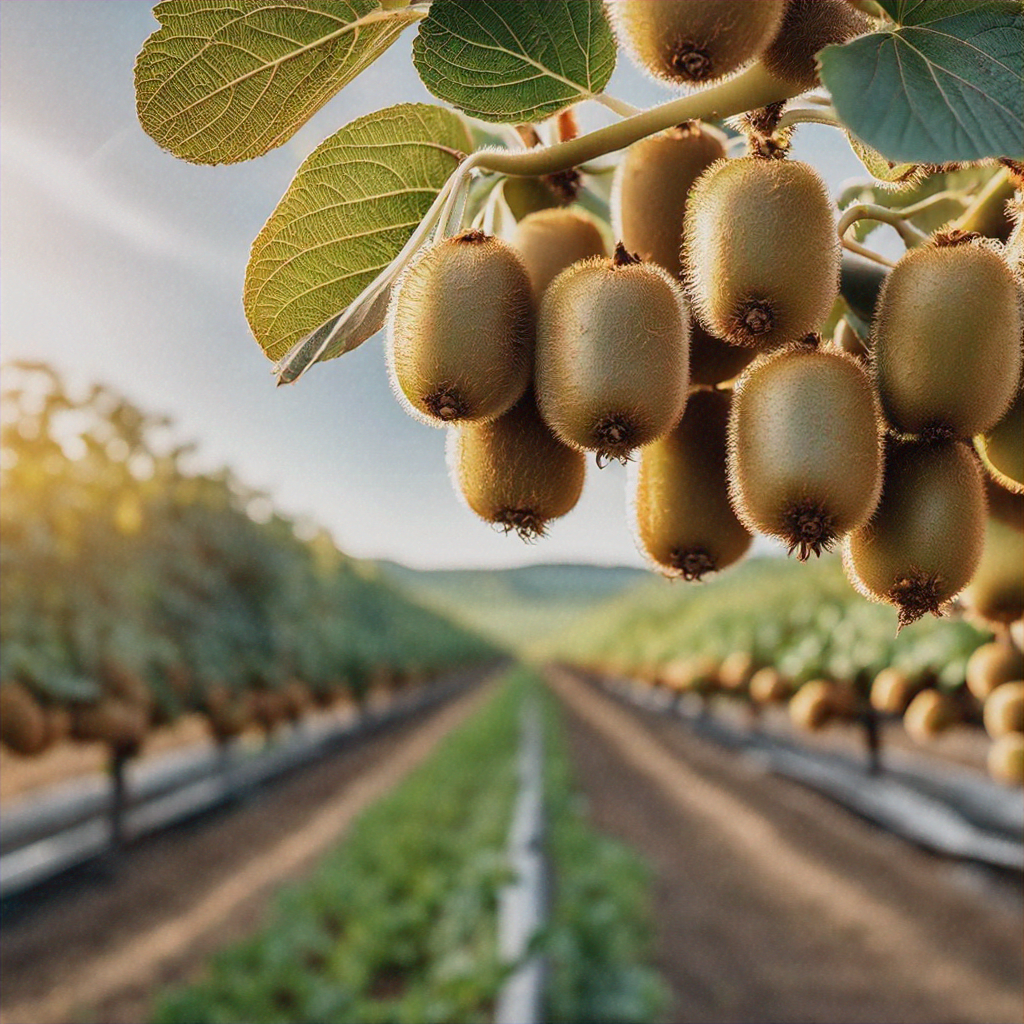
As the demand for locally grown, sustainable produce continues to rise, more and more gardeners and small-scale farmers in Europe are turning their attention to the cultivation of kiwi fruit. Known for its delectable flavor and impressive nutritional profile, the kiwi has become a popular addition to many home and community gardens. However, growing this versatile fruit does come with its own set of challenges, particularly when it comes to managing the various diseases that can affect kiwi plants.
In this comprehensive guide, we’ll delve into the intricacies of growing kiwi fruit in the European climate, with a special focus on identifying and addressing common kiwi diseases. By the end of this article, you’ll be equipped with the knowledge and tools you need to successfully cultivate thriving, disease-resistant kiwi plants, ensuring a bountiful harvest and a healthier, more sustainable food system.
Understanding the Kiwi Plant and Its Unique Needs
Kiwi fruit, scientifically known as Actinidia deliciosa, is a deciduous vine native to central and eastern China. It was first introduced to Europe in the early 20th century and has since gained popularity as a versatile and nutritious fruit. Kiwi plants thrive in temperate climates with moderate temperatures, abundant rainfall, and well-drained, nutrient-rich soil.
In Europe, kiwi cultivation is concentrated in countries such as Italy, Greece, and Spain, where the Mediterranean climate provides the ideal growing conditions. However, with the right preparation and care, kiwi can also be successfully grown in other parts of Europe, including more northern regions.
Kiwi plants require specific growing conditions to flourish, including:
- Well-drained, fertile soil with a pH between 6.0 and 6.5
- Full sun exposure, ideally at least 6 hours of direct sunlight per day
- Adequate moisture, with regular watering during the growing season
- Protection from strong winds, which can damage the delicate vines
- Proper training and pruning to maintain the plant’s structure and optimize fruit production
Common Kiwi Diseases and How to Identify Them
One of the key challenges in growing kiwi fruit in Europe is managing the various diseases that can affect the plants. Understanding the signs and symptoms of these diseases is crucial for early detection and effective treatment. Let’s explore some of the most common kiwi diseases and how to recognize them:
1. Kiwi Fruit Canker (Pseudomonas syringae pv. actinidiae)
Kiwi fruit canker is a highly infectious bacterial disease that can cause significant damage to kiwi plants. Symptoms include brown or black lesions on the leaves, stems, and fruit, as well as wilting and dieback of the plant. This disease can quickly spread and severely impact the plant’s overall health and productivity.
2. Kiwi Fruit Gray Mold (Botrytis cinerea)
Gray mold, also known as Botrytis blight, is a fungal disease that can affect the leaves, stems, and fruit of kiwi plants. It is characterized by the appearance of gray, fuzzy fungal growth, often accompanied by rotting and decay of the affected plant parts.
3. Kiwi Fruit Leaf Spot (Alternaria alternata)
Leaf spot is a fungal disease that causes the appearance of circular or irregular-shaped spots on the leaves of kiwi plants. These spots may be brown, black, or purple in color and can lead to premature leaf drop, reducing the plant’s photosynthetic capacity and overall vigor.
4. Kiwi Fruit Trunk Canker (Phytophthora spp.)
Trunk canker is a disease caused by various Phytophthora species, which can attack the base of the kiwi plant and the surrounding soil. Symptoms include bark discoloration, oozing sap, and the eventual collapse of the plant.
5. Kiwi Fruit Powdery Mildew (Podosphaera aphanis)
Powdery mildew is a fungal disease that manifests as a white, powdery growth on the leaves, stems, and fruit of kiwi plants. This disease can inhibit photosynthesis and diminish the plant’s overall vigor and productivity.
Strategies for Preventing and Controlling Kiwi Diseases
Effective disease management in kiwi cultivation requires a multifaceted approach that combines preventive measures and targeted treatments. Here are some key strategies to consider:
1. Preventive Measures
- Select disease-resistant kiwi cultivars, such as ‘Hayward’ or ‘Bruno,’ which have inherent resilience against common diseases.
- Ensure proper site selection and soil preparation, with well-drained, nutrient-rich soil and adequate sun exposure.
- Implement strict sanitation practices, such as regularly cleaning tools and equipment, and properly disposing of infected plant material.
- Prune and train kiwi plants to promote good air circulation and reduce the risk of disease development.
- Monitor plants regularly for early signs of disease and address issues promptly.
2. Chemical Control
- Use registered and approved fungicides and bactericides to treat specific diseases, such as kiwi fruit canker or gray mold.
- Follow the manufacturer’s instructions carefully, paying close attention to application rates, timing, and safety precautions.
- Rotate the use of different fungicide and bactericide modes of action to prevent the development of resistance.
3. Biological Control
- Introduce beneficial microorganisms, such as Trichoderma or Bacillus species, which can compete with and inhibit the growth of disease-causing pathogens.
- Utilize natural plant extracts or essential oils with proven antifungal or antibacterial properties.
- Encourage the presence of natural predators, such as lacewings or ladybugs, which can help control pests that may vector diseases.
4. Cultural Practices
- Maintain optimal growing conditions, including proper irrigation, fertilization, and pH management, to support the overall health and vigor of kiwi plants.
- Implement crop rotation and intercropping strategies to disrupt disease cycles and reduce the build-up of pathogens in the soil.
- Consider the use of mulch or cover crops to suppress weeds and prevent soil-borne diseases from splashing onto the plant.
Integrated Pest Management (IPM) for Kiwi Fruit Production
To effectively manage kiwi diseases in a sustainable and environmentally responsible manner, it is crucial to adopt an Integrated Pest Management (IPM) approach. IPM combines various control methods, prioritizing preventive and biological strategies, and using chemical treatments only as a last resort.
The key steps in an IPM program for kiwi fruit production include:
- Regular monitoring and early detection of disease symptoms
- Accurate identification of the causative pathogen
- Evaluation of the economic and environmental impact of the disease
- Selection and implementation of appropriate control measures, starting with preventive and biological methods
- Continuous evaluation and adjustment of the management strategy based on the observed results
By adopting an IPM approach, growers can significantly reduce their reliance on synthetic pesticides, promote the overall health of their kiwi plants, and contribute to a more sustainable and environmentally friendly agricultural system.
Conclusion
Growing kiwi fruit in Europe can be a rewarding and profitable endeavor, but it requires a comprehensive understanding of the challenges posed by various diseases. By combining the right cultural practices, preventive measures, and targeted disease management strategies, growers can successfully cultivate thriving, disease-resistant kiwi plants and enjoy bountiful harvests.
Remember, staying vigilant, monitoring your plants closely, and adapting your approach as needed are key to ensuring the long-term success of your kiwi fruit operation. With the guidance provided in this article, you’ll be well on your way to becoming a successful kiwi fruit grower, contributing to a healthier and more sustainable food system in Europe.