Cultivating Kiwi Fruit in Maharashtra: A Precision Farming and IoT-Powered Guide
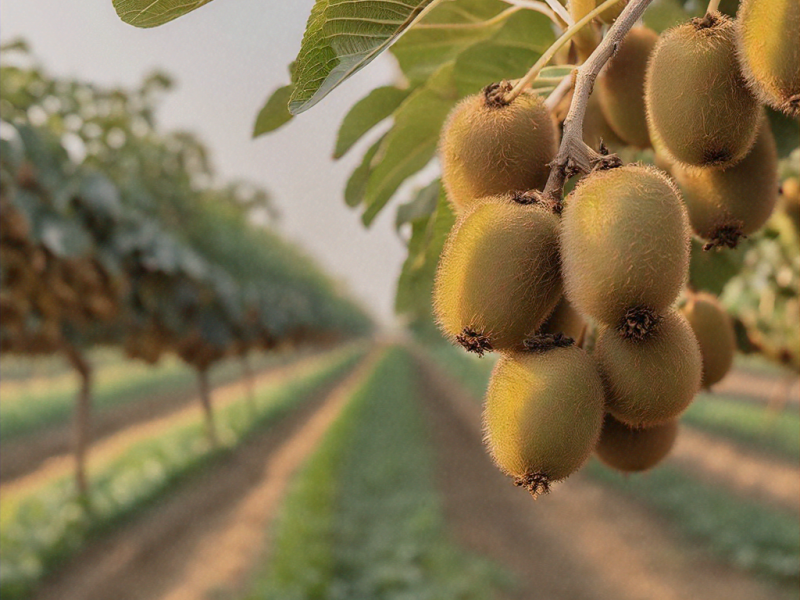
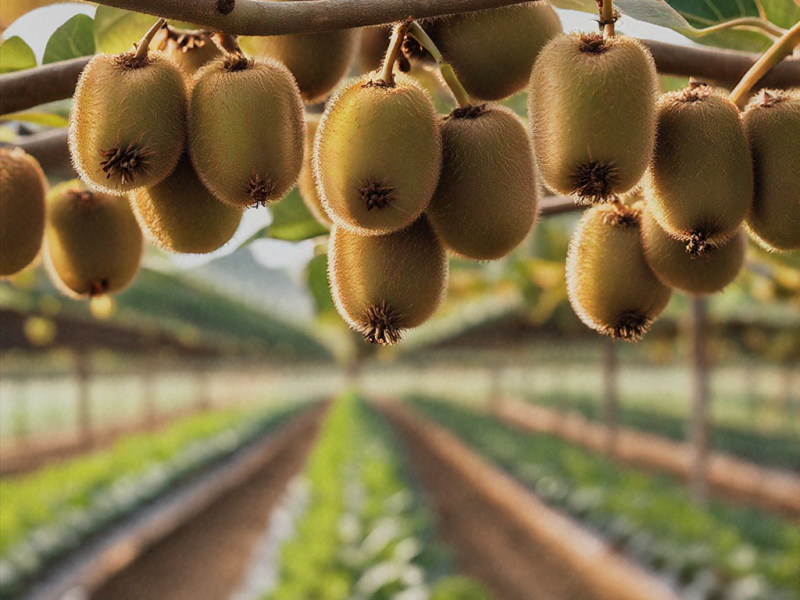
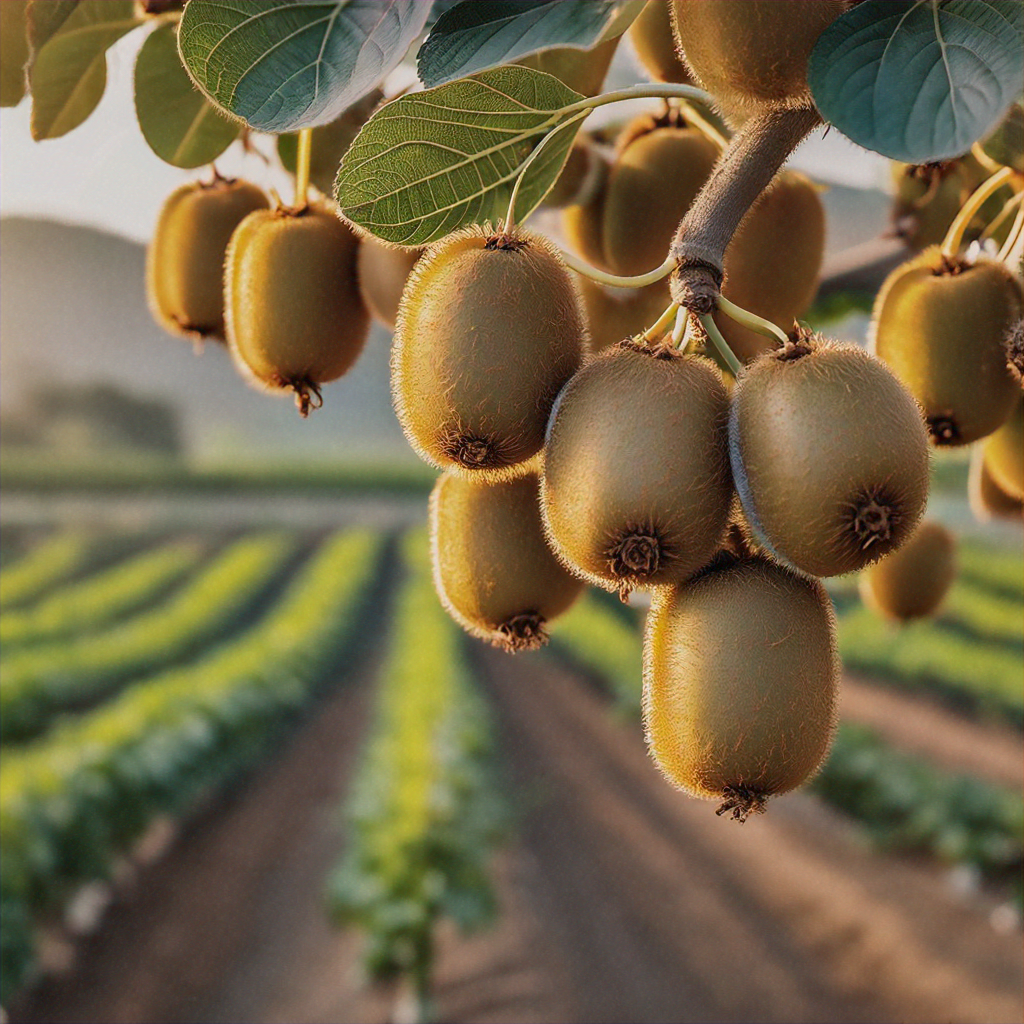
In the lush and verdant state of Maharashtra, the cultivation of kiwi fruit has emerged as a promising opportunity for farmers, offering a lucrative and sustainable alternative to traditional crops. Kiwi, with its vibrant green flesh and tangy-sweet flavor, has captured the attention of consumers worldwide, creating a growing demand that Maharashtra’s agricultural sector is poised to meet. However, successful kiwi cultivation requires a meticulous approach, leveraging the power of precision farming and the latest advancements in Internet of Things (IoT) technology.
In this comprehensive guide, we will explore the step-by-step process of growing kiwi fruit in Maharashtra, highlighting the importance of precision farming techniques and the integration of IoT-powered solutions to optimize yield, improve quality, and enhance overall efficiency.
Site Selection and Soil Preparation
The first step in cultivating kiwi fruit in Maharashtra is to carefully select the right location. Kiwi thrives in well-drained, slightly acidic soils with a pH range of 5.5 to 6.5. The ideal site should receive ample sunlight, with a minimum of six hours of direct sunlight per day. Exposure to strong winds can be detrimental, so it’s crucial to choose a sheltered area or implement windbreaks to protect the plants.
Before planting, the soil must be prepared thoroughly. This includes deep plowing to loosen the soil, followed by the addition of organic matter, such as compost or well-rotted manure, to improve soil fertility and structure. Precision farming tools, such as soil testing kits and GPS-guided tractors, can be employed to ensure the soil is optimized for kiwi cultivation.
Planting and Trellising
Kiwi plants require a sturdy support system, known as a trellis, to aid in their growth and fruit production. The trellis should be designed to provide adequate support for the vines, allowing for good air circulation and sunlight exposure. IoT-powered sensors can be integrated into the trellis system to monitor the plants’ growth, environmental conditions, and irrigation needs, enabling precision-based decision-making.
When planting, it’s recommended to use high-quality, disease-resistant kiwi cultivars that are well-suited to the local climate and soil conditions. The plants should be spaced approximately 5 to 6 meters apart, with rows spaced 4 to 5 meters apart, to ensure optimal sunlight and air flow.
Irrigation and Fertigation
Kiwi plants are highly water-dependent, requiring consistent soil moisture throughout the growing season. Precision irrigation systems, such as drip or micro-sprinkler systems, can be integrated with IoT-powered sensors to monitor soil moisture levels and adjust water application accordingly. This not only ensures the plants receive the optimal amount of water, but also helps conserve water resources and reduce wastage.
Fertigation, the process of applying fertilizers through the irrigation system, is another important aspect of kiwi cultivation. IoT-enabled fertigation systems can precisely control the delivery of essential nutrients, such as nitrogen, phosphorus, and potassium, to the plants based on their specific needs and growth stage. This targeted approach helps maximize nutrient uptake, improve fruit quality, and minimize environmental impact.
Pruning and Canopy Management
Proper pruning and canopy management are crucial for kiwi cultivation, as they help maintain the plant’s structure, maximize fruit production, and ensure optimal light and air circulation. IoT-powered tools, such as robotic pruners and canopy monitoring systems, can assist farmers in making informed decisions about pruning and canopy management, leading to increased yields and improved fruit quality.
Regular pruning of the vines, including the removal of dead or damaged canes, is essential to maintain the plant’s vigor and encourage new growth. Canopy management techniques, such as thinning and training, can be used to optimize the plant’s structure, ensuring even light distribution and proper air flow through the canopy.
Pest and Disease Management
Kiwi plants are susceptible to various pests and diseases, which can significantly impact yield and fruit quality. Precision farming approaches, combined with IoT-based monitoring systems, can help farmers proactively identify and address these challenges.
IoT-enabled sensors can be deployed in the kiwi orchard to continuously monitor for early signs of pest infestations or disease outbreaks. This data can be analyzed and used to trigger targeted interventions, such as the application of eco-friendly pesticides or the implementation of integrated pest management strategies, minimizing the impact on the crop and the environment.
Harvest and Post-Harvest Handling
Timing the harvest of kiwi fruit is crucial, as the fruit must be picked at the optimal maturity level to ensure the best flavor and texture. IoT-powered sensing technologies can aid farmers in monitoring the fruit’s development, tracking parameters such as firmness, sugar content, and acidity, to determine the ideal harvest window.
Post-harvest handling is equally important, as kiwi fruit is highly perishable. Proper storage, transportation, and handling techniques are essential to maintain fruit quality and extend the shelf life. IoT-enabled cold chain management systems can help farmers and distributors monitor the temperature, humidity, and other environmental factors during the post-harvest process, ensuring the kiwi fruit reaches consumers in optimal condition.
Benefits of Precision Farming and IoT in Kiwi Cultivation
- Improved yield and fruit quality through precision-based decision-making
- Efficient use of water and other resources, leading to cost savings and environmental benefits
- Early detection and prevention of pests and diseases, reducing the need for excessive pesticide use
- Enhanced post-harvest handling and cold chain management, extending the shelf life of kiwi fruit
- Increased profitability for farmers through optimized production and better market access
- Contribution to the overall sustainability and resilience of Maharashtra’s agricultural sector
In conclusion, the cultivation of kiwi fruit in Maharashtra presents a promising opportunity for farmers to diversify their crop portfolios and capitalize on the growing global demand for this nutritious and flavorful fruit. By embracing precision farming techniques and integrating IoT-powered solutions, farmers can unlock the full potential of kiwi cultivation, ensuring high yields, superior fruit quality, and sustainable practices that benefit both the environment and their bottom line. This comprehensive guide serves as a roadmap for Maharashtra’s agricultural community to embark on a successful kiwi fruit growing journey, positioning the state as a leading producer and exporter of this exotic and sought-after commodity.