
Growing Kiwi Fruit – Precision & IoT Guide for India: Complete Guide & Best Practices
Kiwi fruit, with its vibrant green flesh and tiny black seeds, has become an increasingly popular addition to the Indian agricultural landscape. As a subtropical fruit, kiwi presents both challenges and opportunities for growers in India. In this comprehensive guide, we’ll explore the best practices for cultivating kiwi fruit using precision farming techniques and leveraging the power of the Internet of Things (IoT).
Understanding the Kiwi Fruit
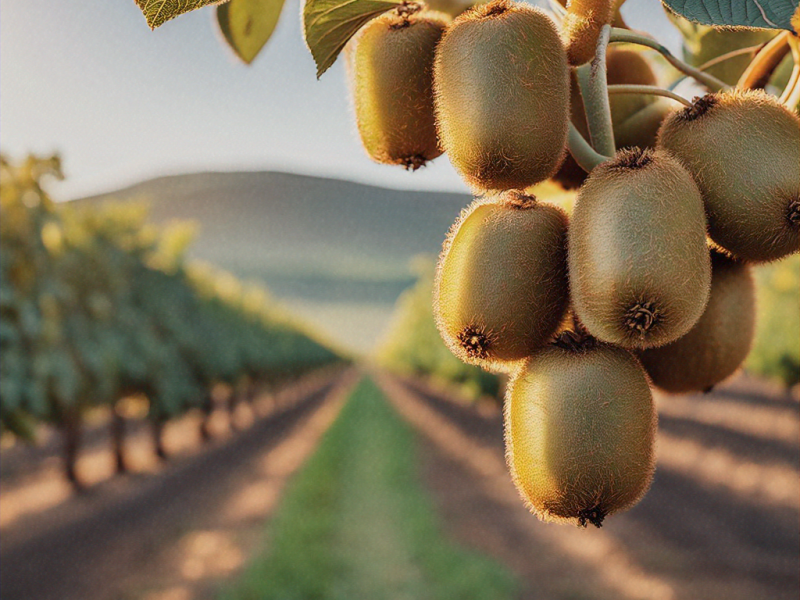
Kiwi fruit, scientifically known as Actinidia deliciosa, is a nutrient-rich fruit that originated in China. It has a distinctive oval shape, a fuzzy brown exterior, and a soft, sweet, and slightly tart green flesh. Kiwi is packed with vitamin C, vitamin K, potassium, and other essential minerals, making it a highly nutritious addition to any diet.
In India, kiwi cultivation has gained traction in recent years, particularly in the hilly regions of Himachal Pradesh, Uttarakhand, and Arunachal Pradesh, where the climate and soil conditions are well-suited for its growth. However, successful kiwi farming requires a deep understanding of the plant’s needs and the implementation of precision farming techniques.
Precision Farming for Kiwi Cultivation
Precision farming, or precision agriculture, is an approach that leverages technology and data-driven decision-making to optimize agricultural practices. In the context of kiwi cultivation, precision farming can help growers maximize yield, improve resource efficiency, and mitigate environmental impact.
Site Selection and Soil Preparation
Kiwi plants thrive in well-drained, fertile soils with a pH range of 5.5 to 6.5. When selecting a site for kiwi cultivation, it’s important to consider factors such as soil composition, drainage, and exposure to sunlight. Use precision soil mapping and analysis tools to gather data on the soil’s physical, chemical, and biological properties, allowing you to make informed decisions about soil amendments and cultivation practices.
Planting and Trellis Systems
Kiwi plants require a sturdy trellis system to support their vigorous growth and climbing habit. Utilize precision techniques to plan the optimal spacing and orientation of the trellis, ensuring efficient use of available land and optimal sunlight exposure for the plants. Incorporate smart sensors and IoT-enabled devices to monitor the health and growth of the kiwi plants, providing real-time data to guide your management decisions.
Irrigation and Water Management
Kiwi plants are sensitive to water stress and require consistent, well-distributed irrigation throughout the growing season. Employ precision irrigation techniques, such as drip or micro-sprinkler systems, to deliver the right amount of water to each plant based on its specific needs. Use soil moisture sensors and weather data to optimize irrigation schedules, reducing water waste and improving resource efficiency.
Nutrient Management
Kiwi plants have specific nutrient requirements, and precision farming can help you tailor your fertilization program to meet their needs. Utilize precision soil testing, plant tissue analysis, and nutrient-sensing technologies to determine the optimal fertilizer formulations and application rates. This approach can help you maximize plant growth, fruit production, and nutrient use efficiency, while minimizing the environmental impact of excess fertilizer application.
Pest and Disease Management
Kiwi plants are susceptible to various pests and diseases, including aphids, mealybugs, and fungal diseases. Implement precision pest and disease management strategies, such as remote sensing, predictive modeling, and targeted application of organic or low-toxicity pesticides. Utilize IoT-enabled monitoring systems to detect the early onset of problems, allowing for timely and targeted interventions.
Harvest and Post-Harvest Handling
Precise timing of the harvest is crucial for maximizing fruit quality and shelf life. Use non-destructive sensing technologies, such as near-infrared (NIR) spectroscopy, to monitor the maturity and ripeness of the kiwi fruit, ensuring optimal harvesting time. Implement precision handling and storage techniques, including temperature and humidity control, to maintain the freshness and nutritional value of the harvested fruit.
Best Practices for Kiwi Cultivation in India
- Variety Selection: Choose kiwi varieties that are well-suited to the climate and growing conditions of your region, such as ‘Hayward’ or ‘Bruno’.
- Trellis System: Utilize a robust trellis system, such as the T-bar or pergola system, to support the plants and ensure optimal sunlight exposure.
- Irrigation Management: Implement a precision irrigation system, such as drip or micro-sprinkler, and use soil moisture sensors to optimize water application.
- Nutrient Management: Conduct regular soil and plant tissue analyses to determine the optimal fertilizer formulations and application rates.
- Pest and Disease Monitoring: Use remote sensing and IoT-enabled monitoring systems to detect and address pest and disease issues early.
- Pollination: Ensure adequate pollination by introducing bee hives or other pollinating insects to your kiwi orchard.
- Fruit Thinning: Perform manual or mechanical fruit thinning to improve fruit size, quality, and yield.
- Postharvest Handling: Implement temperature and humidity-controlled storage to maintain the freshness and nutritional value of the harvested kiwi fruit.
The Role of IoT in Kiwi Cultivation
The Internet of Things (IoT) has the potential to revolutionize kiwi cultivation by providing real-time data and insights to help growers make more informed decisions. IoT-enabled technologies can be integrated throughout the entire kiwi cultivation process, from site selection to post-harvest handling.
Soil Monitoring
IoT-powered soil sensors can provide continuous data on soil moisture, pH, temperature, and nutrient levels, allowing growers to precisely manage irrigation and fertilization practices.
Plant Health Monitoring
Smart sensors and drones can be used to monitor the growth, vigor, and potential pest or disease issues in the kiwi plants, enabling timely interventions and targeted treatments.
Microclimate Optimization
IoT-connected weather stations and environmental sensors can help growers understand and manage the microclimate within the kiwi orchard, optimizing factors such as temperature, humidity, and wind exposure.
Automated Irrigation and Fertigation
IoT-enabled irrigation and fertigation systems can automatically adjust water and nutrient application based on real-time data from soil and plant sensors, optimizing resource use and improving yields.
Post-Harvest Monitoring
IoT-connected sensors can monitor temperature, humidity, and other critical parameters during the storage and transportation of harvested kiwi fruit, ensuring optimal freshness and quality.
Conclusion
Kiwi fruit cultivation in India presents a promising opportunity for growers, but it also requires a deep understanding of the plant’s needs and the implementation of precision farming techniques. By leveraging the power of IoT, Indian kiwi growers can optimize their cultivation practices, improve resource efficiency, and deliver high-quality, nutritious kiwi fruit to consumers. By embracing precision and IoT-enabled strategies, the Indian kiwi industry can thrive, contributing to the overall agricultural and economic development of the country.
👥 Readers added context they thought people might want to know
Agri-X Verified PunjabFarmer_01
✔
PunjabFarmer_01
✔
Current formatting suggests planting in June. However, 2025 IMD data confirms delayed monsoon. Correct action: Wait until July 15th for this specific variety.
Have a correction? Log in to contribute.