King Protea Plant Doctor & Care in California (USA): Expert Guide, Best Practices & Pro Tips
In the heart of California’s vibrant agricultural landscape, the King Protea plant stands as a symbol of resilience and natural beauty. This captivating member of the Proteaceae family thrives in the Golden State’s Mediterranean climate, captivating gardeners and horticulturists alike with its striking, crown-like blooms. Whether you’re a seasoned green thumb or a novice plant enthusiast, this comprehensive guide will equip you with the knowledge and techniques to successfully cultivate and care for your very own King Protea in California.
Understanding the King Protea
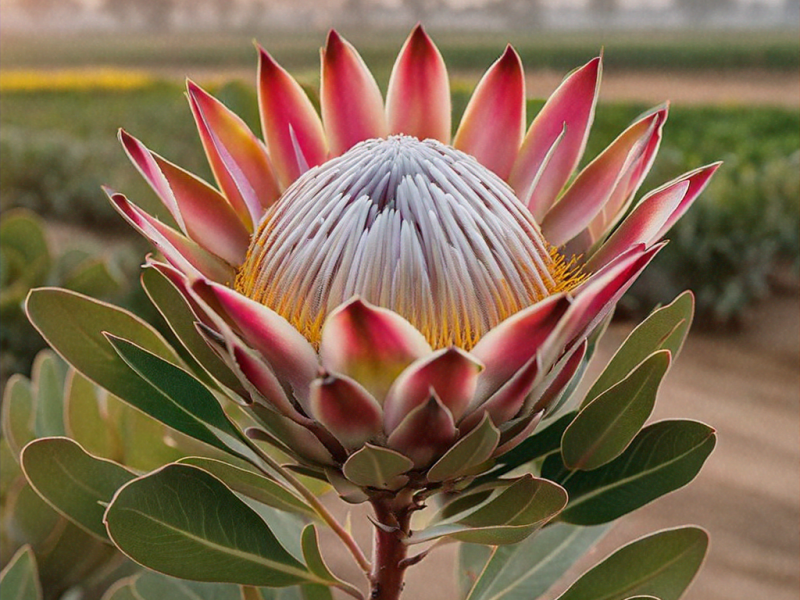
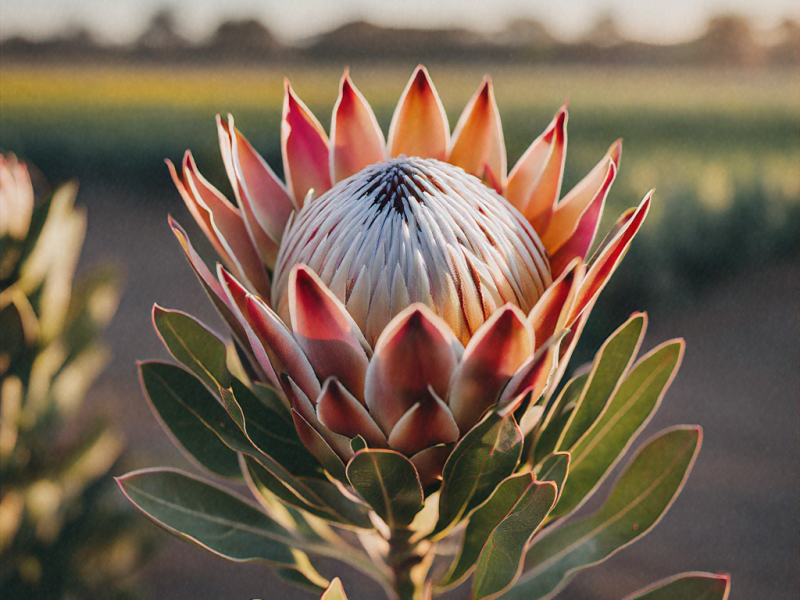
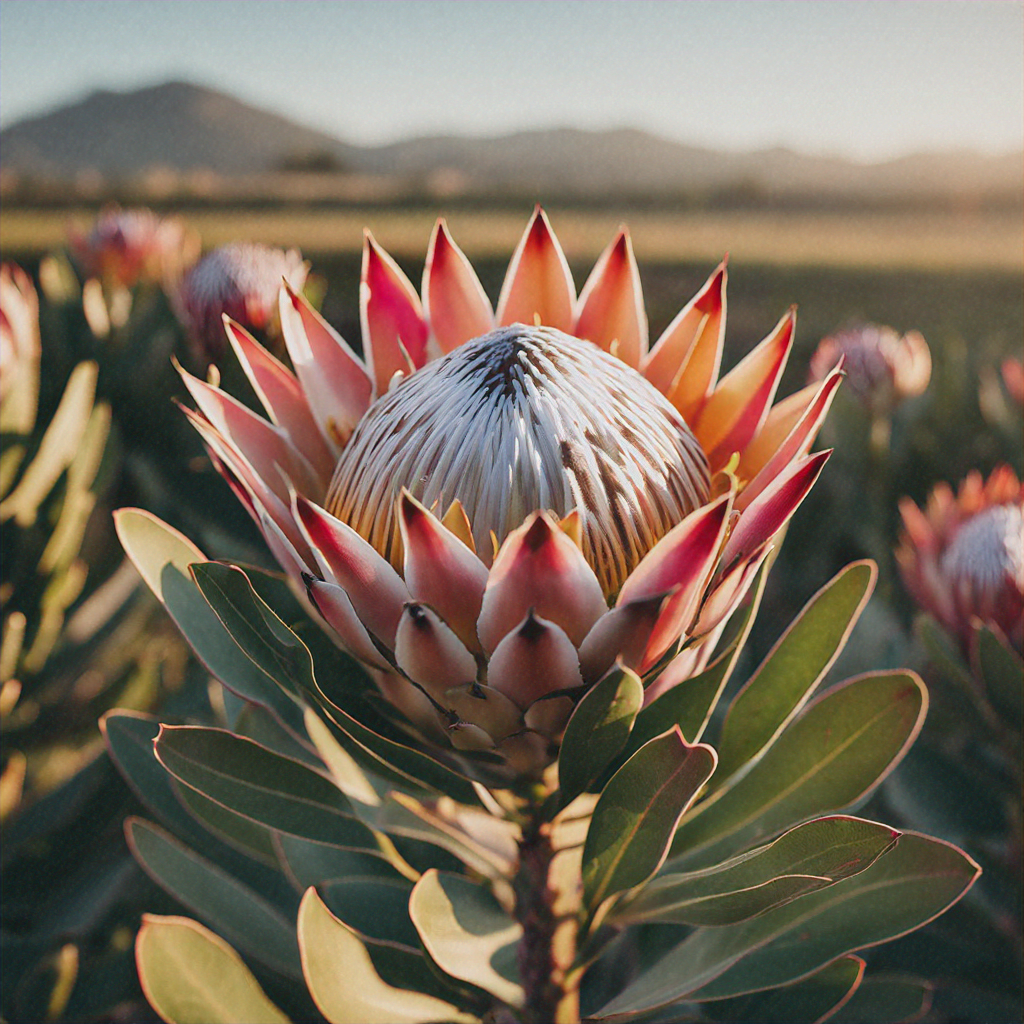
The King Protea (Protea cynaroides) is a stunning evergreen shrub or small tree native to the western and southern regions of South Africa. Known for its massive, velvety flower heads that can reach up to 12 inches in diameter, the King Protea has become a beloved addition to gardens, floral arrangements, and even the cut-flower industry. In California, these majestic plants find a congenial home, thriving in the state’s Mediterranean climate and well-draining soils.
Selecting the Right Site
When it comes to planting King Proteas in California, site selection is key. These plants prefer full sun exposure, with at least six hours of direct sunlight per day. Partial shade may be tolerated, but the plants will perform best in areas that receive ample sunshine. Additionally, King Proteas require well-draining, acidic soil with a pH between 5.0 and 6.5. Avoid areas with heavy, clay-based soils, as these can lead to waterlogging and root rot.
Planting and Establishment
The optimal time to plant King Proteas in California is in the fall or early spring, when the soil is cool and moist. This allows the plants to establish their root systems before the heat of summer arrives. When planting, choose a location that is protected from strong winds, as the large flower heads can be susceptible to damage.
Prepare the planting hole by amending the soil with generous amounts of compost or other organic matter. This will help improve drainage and provide the necessary nutrients for the plant’s growth. Ensure that the hole is slightly wider than the root ball and only as deep as the container. Gently remove the plant from its container, taking care not to damage the delicate roots, and place it in the prepared hole. Backfill with the amended soil, taking care to avoid compacting the soil around the plant.
After planting, water the King Protea thoroughly, ensuring that the soil is moist but not waterlogged. Continue to water regularly, keeping the soil consistently moist, especially during the first year of establishment.
Ongoing Care and Maintenance
Watering
King Proteas are relatively drought-tolerant once established, but they do require regular watering, especially during the hot, dry summer months in California. Aim to keep the soil moist, but not saturated, allowing the top few inches of soil to dry out slightly between waterings. Avoid letting the plants sit in standing water, as this can lead to root rot.
Fertilizing
These plants benefit from regular fertilization to support their growth and flower production. Use a balanced, slow-release fertilizer formulated for acidic-loving plants, or a specialized Protea-specific fertilizer. Apply the fertilizer according to the manufacturer’s instructions, typically in early spring and mid-summer.
Pruning and Grooming
Pruning is an important aspect of King Protea care, as it helps maintain the plant’s shape and encourage new growth. Prune your King Protea after flowering, removing any dead or damaged stems and shaping the plant as desired. Be sure to use clean, sharp pruning tools and make clean cuts just above an outward-facing bud or leaf node.
Regular deadheading, or the removal of spent flower heads, can also help promote more blooms and maintain the plant’s aesthetic appeal.
Cold and Frost Protection
While King Proteas are generally hardy in California’s climate, they may require some protection during the occasional frost or cold snap. Cover the plants with a frost blanket or other insulating material to prevent damage to the foliage and flower buds.
Common Pests and Diseases
King Proteas are generally resilient plants, but they can be susceptible to a few common pests and diseases in California. Keep an eye out for the following issues:
- Aphids: These small, sap-sucking insects can infest the tender new growth, causing distortion and discoloration. Treat with a mild insecticidal soap or neem oil solution.
- Mealybugs: These white, cottony insects can hide in the nooks and crannies of the plant, weakening it over time. Use a cotton swab dipped in rubbing alcohol to remove them.
- Leaf Scorch: Caused by excessive sun exposure, leaf scorch can result in browning and wilting of the foliage. Provide some afternoon shade to alleviate the problem.
- Root Rot: Caused by overwatering or poorly draining soil, root rot can be a serious issue for King Proteas. Ensure proper drainage and avoid letting the plants sit in standing water.
If you encounter any pests or diseases, act quickly to address the problem and prevent it from spreading to the rest of your plants.
Propagation and Cultivation
Propagating King Proteas is a rewarding process that can expand your garden or provide gifts for fellow plant enthusiasts. The most common methods are from seed or cuttings.
Seed Propagation
Collect the seeds from mature flower heads and sow them in a well-draining seed-starting mix. Cover the seeds lightly with soil and keep the medium consistently moist until germination occurs, which can take several weeks. Once the seedlings have developed their first set of true leaves, transplant them into individual containers and gradually acclimate them to outdoor conditions.
Cutting Propagation
Take semi-hardwood cuttings from the plant in late spring or early summer. Dip the cut end in a rooting hormone powder and plant the cuttings in a well-draining potting mix. Keep the soil moist and provide partial shade until the cuttings have developed a strong root system, which can take several months.
Showcasing King Proteas in Your California Garden
King Proteas are versatile plants that can be incorporated into a variety of garden designs in California. Consider using them as focal points in a mixed border, planting them in large containers on a patio or balcony, or incorporating them into a Mediterranean-inspired landscape. Their large, dramatic blooms make them an excellent choice for cut flower arrangements and centerpieces as well.
No matter how you choose to showcase these magnificent plants, proper care and attention will ensure that your King Proteas thrive and continue to captivate all who encounter them in your California garden.
👥 Readers added context they thought people might want to know
Agri-X Verified PunjabFarmer_01
✔
PunjabFarmer_01
✔
Current formatting suggests planting in June. However, 2025 IMD data confirms delayed monsoon. Correct action: Wait until July 15th for this specific variety.
Have a correction? Log in to contribute.