

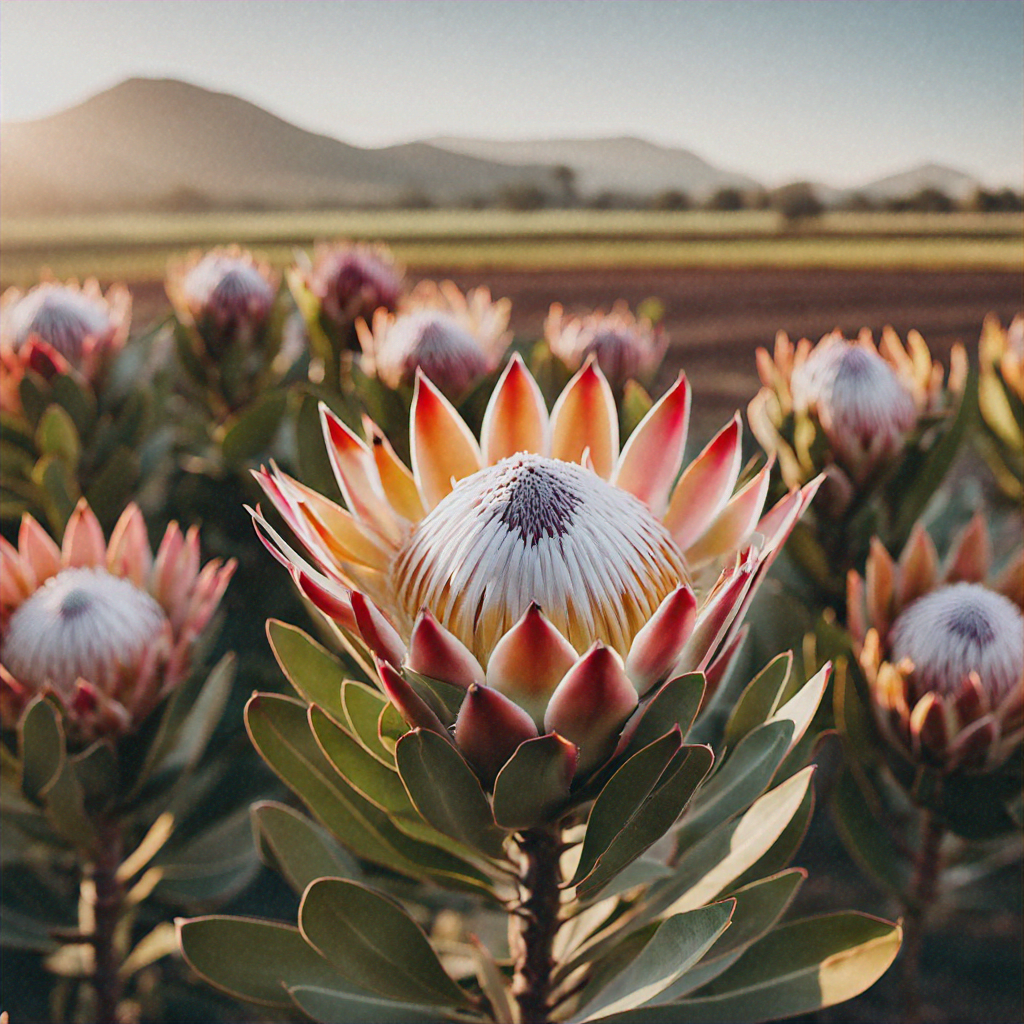
Global King Protea Farming – Intelligent Growth Guide: Ultimate Guide & Expert Advice
In the ever-evolving world of agriculture, one flower has captured the attention of growers and enthusiasts alike – the magnificent King Protea. This iconic bloom, native to the Western Cape region of South Africa, has become a sought-after commodity in the global floral industry. As the demand for this stunning flower continues to rise, it’s essential for aspiring farmers and gardeners to understand the intricacies of King Protea cultivation. In this comprehensive guide, we’ll delve into the world of global King Protea farming, sharing expert advice and practical tips to help you cultivate these majestic blooms with intelligence and success.
Understanding the King Protea
The King Protea, scientifically known as Protea cynaroides, is a member of the Proteaceae family and is renowned for its large, striking flowers that can reach up to 12 inches in diameter. These flowers, with their distinctive, layered petals and vibrant colors ranging from pink to deep red, have made the King Protea a favorite among florists, event planners, and home gardeners worldwide.
Native to the rugged, mountainous regions of South Africa, the King Protea is well-adapted to thrive in Mediterranean-style climates with cool, wet winters and hot, dry summers. This unique growing environment has shaped the plant’s resilience and its ability to flourish in diverse regions, making it a valuable crop for global cultivation.
Site Selection and Soil Preparation
Choosing the right location and preparing the soil are crucial steps in successful King Protea farming. The ideal site should have well-drained, acidic soil with a pH range of 5.0 to 6.5. King Proteas thrive in sandy or gravelly soils that are low in nutrients, as excessive fertility can lead to lush foliage at the expense of flower production.
Before planting, it’s essential to thoroughly prepare the soil by removing any weeds or debris and amending the soil with organic matter, such as compost or peat moss. This will help improve soil structure and moisture retention, which are vital for the long-term health of your King Protea plantation.
Propagation and Planting
King Proteas can be propagated through various methods, including seed sowing, cuttings, and tissue culture. Seed propagation is a common choice, as it allows for the introduction of genetic diversity within your plantation. However, this method can be more time-consuming, as it may take several years for the plants to reach maturity and produce their first blooms.
When planting, ensure that the King Proteas are spaced approximately 6 to 8 feet apart to allow for proper air circulation and sunlight exposure. The planting depth should be about the same as the root ball, and the soil should be gently packed around the plant to ensure good soil-to-root contact.
Irrigation and Fertilization
Proper irrigation is crucial for the health and productivity of your King Protea plantation. These plants are sensitive to waterlogging, so it’s essential to implement a well-designed irrigation system that provides even, consistent moisture without causing soil saturation. Drip irrigation or micro-sprinklers are often the most effective methods for King Protea cultivation.
Fertilization is another important aspect of King Protea farming. These plants thrive on a balanced, low-dose fertilizer regime, with a focus on encouraging flower production rather than excessive vegetative growth. A slow-release, low-nitrogen fertilizer with a higher ratio of phosphorus and potassium is recommended for optimal results.
Pruning and Maintenance
Proper pruning and maintenance practices are crucial for maintaining the health and appearance of your King Protea plantation. Regular pruning helps to shape the plants, promote branching, and ensure a steady supply of high-quality blooms. It’s generally recommended to prune your King Proteas after flowering, removing any dead or damaged stems and shaping the plants as needed.
In addition to pruning, it’s essential to monitor your plants for any signs of pests or diseases and take appropriate action to address them. Common issues that may arise include fungal infections, such as Phytophthora root rot, and insect infestations, such as scale insects or thrips. Vigilant monitoring and timely intervention are key to maintaining a healthy, productive King Protea plantation.
Harvesting and Post-Harvest Handling
The timing and method of harvesting are crucial for ensuring the long-term quality and marketability of your King Protea blooms. The optimal time to harvest is when the flowers are fully mature, with the bracts (the colorful, petal-like structures) fully expanded and the center disc florets just beginning to open.
Careful handling during the harvesting process is essential to avoid damage to the delicate flowers. Cut the stems at an angle, leaving at least 12 inches of stem length, and immediately place the harvested blooms in clean, cool water. This helps to hydrate the flowers and prevent wilting during the post-harvest handling and transportation process.
Global Opportunities and Challenges
The global demand for King Proteas has steadily increased in recent years, driven by their unique beauty and versatility in floral arrangements. As a result, King Protea farming has expanded beyond its native South African region, with successful cultivation efforts in countries such as Australia, New Zealand, and Chile.
However, with this global expansion come unique challenges. Adapting King Protea cultivation to different climates and growing conditions requires careful experimentation and the development of region-specific best practices. Additionally, the logistics of international transportation and distribution can pose obstacles to ensuring the high-quality delivery of these delicate blooms to global markets.
Expert Advice for Aspiring King Protea Farmers
To help aspiring King Protea farmers navigate the complexities of this rewarding endeavor, we’ve compiled a list of expert advice:
- Thoroughly research the specific growing requirements and best practices for your local climate and soil conditions to ensure the long-term success of your King Protea plantation.
- Invest in high-quality, disease-resistant plant stock from reputable nurseries to minimize the risk of introducing pests or pathogens into your farm.
- Develop strong relationships with your local agricultural extension services and industry organizations to stay up-to-date on the latest research, techniques, and market trends.
- Explore innovative techniques, such as precision irrigation and controlled-environment farming, to optimize your King Protea production and mitigate the impact of environmental challenges.
- Continuously refine your post-harvest handling and logistics processes to ensure the reliable delivery of fresh, high-quality King Protea blooms to your target markets.
- Stay attuned to evolving consumer preferences and market demands to adapt your cultivation strategies and product offerings accordingly.
By heeding this expert advice and embracing a comprehensive, intelligent approach to King Protea farming, you can position your operation for long-term success and contribute to the growing global appreciation for this magnificent floral treasure.
👥 Readers added context they thought people might want to know
Agri-X Verified PunjabFarmer_01
✔
PunjabFarmer_01
✔
Current formatting suggests planting in June. However, 2025 IMD data confirms delayed monsoon. Correct action: Wait until July 15th for this specific variety.
Have a correction? Log in to contribute.