

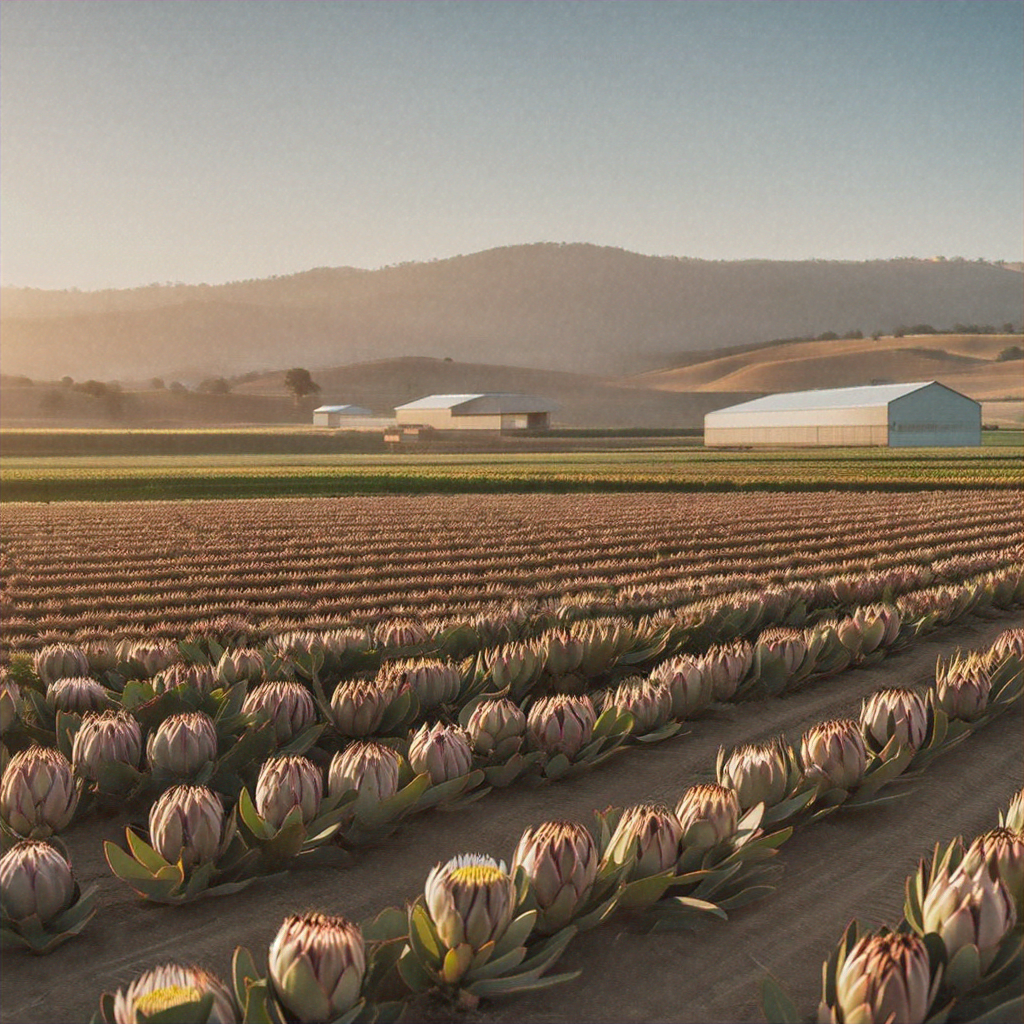
Cultivating King Protea in California: Tackling Climate Stress through Variety Selection, Soil Management, and Harvest Optimization
In the face of a rapidly changing climate, the cultivation of unique and resilient plant species has become a critical focus for agricultural communities worldwide. One such species that has garnered attention in California is the majestic King Protea (Protea cynaroides), a captivating floral marvel native to the Western Cape region of South Africa. As the largest member of the Protea genus, the King Protea’s striking appearance and adaptability have made it a sought-after addition to the state’s agricultural landscape. In this comprehensive guide, we delve into the intricacies of King Protea cultivation in California, exploring the pivotal role of climate stress modeling, varietal selection, soil management, and optimal harvesting techniques to ensure the long-term success and sustainability of this remarkable plant.
Climate Stress Modeling: Adapting to California’s Unique Conditions
California’s diverse microclimates present both opportunities and challenges for King Protea cultivation. To navigate these complexities, climate stress modeling has emerged as a invaluable tool. By analyzing historical weather data, precipitation patterns, and projected climate shifts, researchers and growers can identify the optimal regions within California that can support the unique environmental requirements of King Protea. This data-driven approach allows for strategic decision-making, from site selection to the implementation of targeted mitigation strategies.
One of the key factors in climate stress modeling is the assessment of temperature and precipitation fluctuations. King Proteas thrive in Mediterranean-style climates with mild, wet winters and warm, dry summers – conditions that closely mirror the Western Cape region of South Africa. However, the increasing prevalence of drought, heat waves, and erratic rainfall patterns in California pose significant challenges. By analyzing these climate trends, growers can implement proactive measures, such as the selection of heat-tolerant cultivars, the deployment of water-efficient irrigation systems, and the adoption of mulching practices to conserve soil moisture.
Varietal Selection: Unlocking the Potential of King Protea Cultivars
The King Protea species encompasses a diverse array of cultivars, each with its own unique characteristics and adaptations. In the context of California’s climate, the thoughtful selection of King Protea varieties is crucial to the success of cultivation efforts. Growers must consider factors such as drought resistance, temperature tolerance, disease resistance, and overall growth habits to identify the most suitable cultivars for their specific growing conditions.
- Drought-Resistant Cultivars: In regions prone to water scarcity, the selection of King Protea cultivars with deep, extensive root systems and the ability to conserve moisture can improve the plant’s resilience during periods of drought.
- Heat-Tolerant Varieties: As temperatures rise, certain King Protea cultivars that can thrive in warmer microclimates become increasingly valuable, ensuring the plants’ ability to withstand the effects of climate change.
- Disease-Resistant Strains: Some King Protea cultivars demonstrate enhanced resistance to common fungal diseases and pests, which can become more prevalent in response to environmental stressors.
- Growth Habit Optimization: Growers may prioritize cultivars with compact, bushy growth patterns or upright, tall forms, depending on their specific production goals and available growing space.
By carefully evaluating and selecting the most suitable King Protea cultivars, growers in California can maximize their chances of success, ensuring the long-term viability and productivity of their orchards or nurseries.
Soil Management: Tailoring the Growing Medium for King Protea
In addition to climate considerations, the cultivation of King Protea in California requires a thoughtful approach to soil management. The species thrives in well-draining, nutrient-rich soils with a slightly acidic pH range, characteristics that may not always be naturally present in California’s diverse soil profiles.
One of the primary challenges in King Protea cultivation is ensuring adequate drainage to prevent waterlogging and root rot. Growers can address this by incorporating organic matter, such as compost or perlite, into the soil to improve its structure and permeability. Additionally, the selection of planting sites with natural slopes or the implementation of raised beds can further enhance drainage and promote the healthy growth of King Protea plants.
Nutrient management is another critical aspect of King Protea cultivation. The species is known to thrive in soils with moderate fertility, requiring a balanced supply of essential macro- and micronutrients. Growers can conduct regular soil tests to identify any nutrient deficiencies or imbalances and then implement targeted fertilization strategies, such as the application of slow-release organic fertilizers or the incorporation of nutrient-rich amendments like bone meal or rock phosphate.
Lastly, maintaining the ideal soil pH range, typically between 5.5 and 6.5, is crucial for the optimal uptake of nutrients and the prevention of various plant health issues. Growers may need to amend the soil with sulfur or lime, depending on the initial pH levels, to create the ideal growing conditions for King Protea.
Harvest and Post-Harvest Considerations
The successful cultivation of King Protea culminates in the harvest, a critical stage that requires careful planning and execution. Timing the harvest correctly is essential, as King Protea flowers are highly perishable and must be harvested at the optimal stage of development to ensure their longevity and marketability.
Growers in California should closely monitor the maturation of King Protea flowers, paying attention to factors such as color development, bract expansion, and stem elongation. The ideal harvest window typically occurs when the flower bracts have fully unfurled, and the stems have reached the desired length, but before the flowers begin to senesce.
Post-harvest handling is equally important, as proper handling and storage techniques can significantly extend the vase life of King Protea flowers. Growers should carefully cut the stems, remove any damaged or diseased foliage, and immediately place the flowers in clean, chilled water. Additionally, the use of specialized flower preservatives and the maintenance of optimal temperature and humidity levels during storage and transportation can further enhance the quality and lifespan of the harvested King Protea blooms.
By carefully considering the timing and techniques involved in the harvest and post-harvest stages, California growers can ensure that their King Protea flowers reach their intended markets in peak condition, maximizing the economic viability and sustainability of their cultivation efforts.
Conclusion: Embracing the Future of King Protea Cultivation in California
The cultivation of King Protea in California presents both challenges and opportunities in the face of a changing climate. By leveraging climate stress modeling, selecting the most suitable cultivars, optimizing soil management practices, and implementing strategic harvesting techniques, growers can unlock the tremendous potential of this captivating floral species.
As the demand for unique and resilient horticultural products continues to grow, the successful cultivation of King Protea in California can not only contribute to the state’s agricultural diversity but also serve as a model for sustainable, climate-smart farming practices. By embracing this holistic approach to King Protea cultivation, growers can ensure the long-term viability and profitability of their operations, while also playing a vital role in preserving the natural beauty and diversity of California’s agricultural landscape.
👥 Readers added context they thought people might want to know
Agri-X Verified PunjabFarmer_01
✔
PunjabFarmer_01
✔
Current formatting suggests planting in June. However, 2025 IMD data confirms delayed monsoon. Correct action: Wait until July 15th for this specific variety.
Have a correction? Log in to contribute.
