Unlocking the Potential of Hydroponic King Protea Cultivation in India: A Step-by-Step Guide
In the ever-evolving world of sustainable agriculture, the cultivation of King Protea, a captivating and economically valuable flower, has emerged as a promising venture, particularly in the context of hydroponic and Controlled Environment Agriculture (CEA) systems. As the demand for high-quality, year-round floral products continues to rise, both domestically and globally, the potential for King Protea cultivation in India has never been more promising.
In this comprehensive guide, we will delve into the step-by-step process of establishing a successful hydroponic and CEA-based King Protea production system, offering insights and practical tips to help aspiring growers achieve optimal yields and quality. Whether you are a seasoned farmer or an ambitious newcomer to the industry, this blueprint will equip you with the knowledge and strategies to harness the full potential of this remarkable flower.
Understanding the King Protea
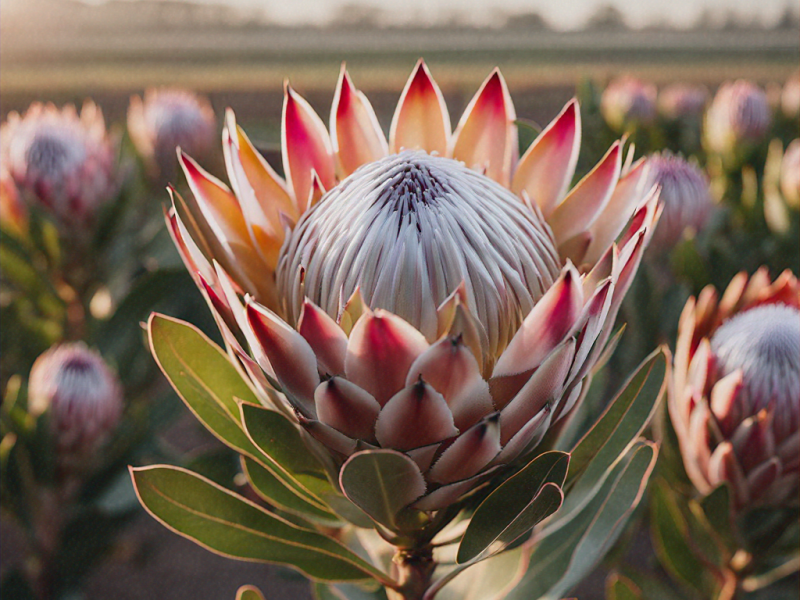
The King Protea (Protea cynaroides) is a captivating and iconic floral species native to the Western Cape region of South Africa. Known for its large, majestic blooms and striking appearance, the King Protea has captured the hearts of many and become a beloved symbol of the region. This unique flower thrives in Mediterranean-like climates, with its cultivation expanding to various regions around the world, including the burgeoning market in India.
The allure of the King Protea lies not only in its visual appeal but also in its economic potential. As a highly sought-after cut flower in the global market, the King Protea commands a premium price, making it an attractive crop for growers. Its long vase life and ability to withstand long-distance transportation further enhance its desirability in the floral industry.
Establishing a Hydroponic and CEA System
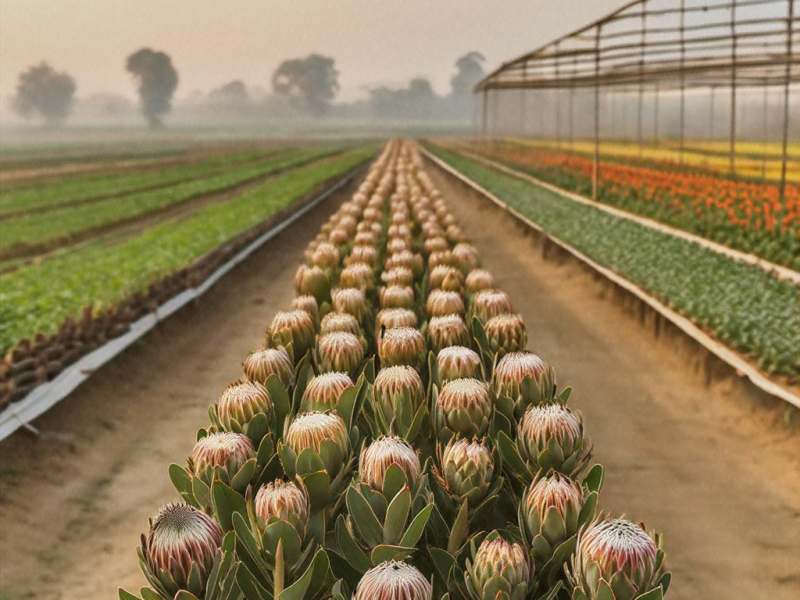
To maximize the potential of King Protea cultivation in India, a well-designed hydroponic and CEA system is essential. This approach offers several advantages, including increased control over the growing environment, enhanced water and nutrient efficiency, and the ability to cultivate the flowers year-round, independent of seasonal fluctuations.
Site Selection and Infrastructure
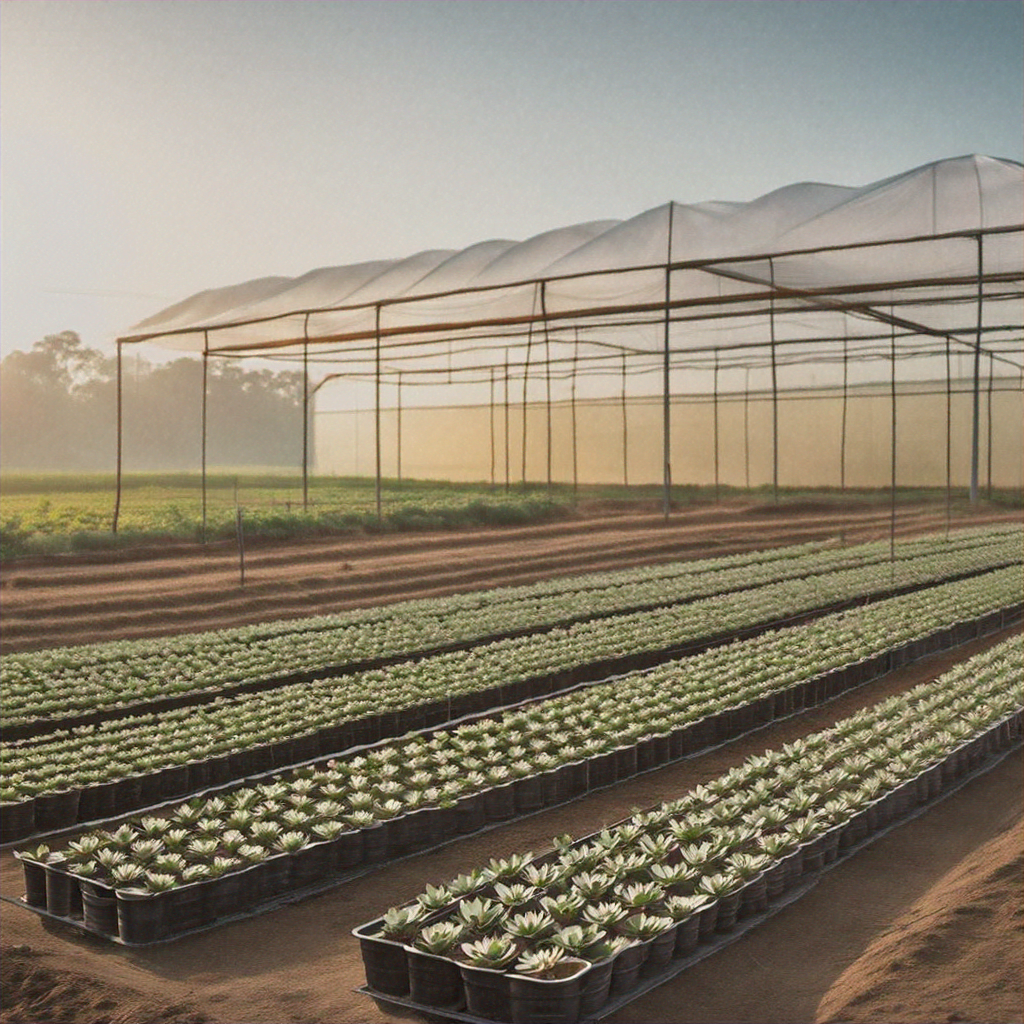
The first step in establishing a successful hydroponic and CEA-based King Protea production system is to carefully select the site. Consider factors such as access to reliable water sources, electricity, and transportation networks, as well as the availability of skilled labor and proximity to target markets. Additionally, ensure that the site provides the necessary infrastructure, including a greenhouse or other controlled environment structure, climate control systems, and the appropriate hydroponic equipment and accessories.</
Growing Medium and Nutrient Management
The choice of growing medium is crucial in a hydroponic system. In the case of King Protea, a well-aerated and well-draining medium, such as coco coir or a perlite-based mixture, is preferred. These substrates provide the necessary support and oxygen supply for the plant’s root system, while also allowing for efficient nutrient and water uptake.
Nutrient management is a critical aspect of hydroponic King Protea cultivation. Develop a balanced nutrient solution that meets the specific needs of the plant, ensuring adequate levels of essential macronutrients (nitrogen, phosphorus, and potassium) and micronutrients (such as iron, calcium, and magnesium). Regularly monitor and adjust the pH and electrical conductivity (EC) of the nutrient solution to maintain optimal growing conditions.
Environmental Control and Monitoring
Precise control and monitoring of the growing environment are essential for successful King Protea cultivation in a hydroponic and CEA system. Factors such as temperature, humidity, light intensity, and CO2 levels must be carefully managed to mimic the ideal growing conditions for this species.
Employ advanced climate control systems, including heating, cooling, and ventilation equipment, to maintain the optimal temperature range, typically between 15°C and 25°C, with a relative humidity of 60-70%. Supplement natural sunlight with supplemental lighting, such as LED or high-pressure sodium (HPS) lamps, to ensure the plants receive the necessary light intensity and photoperiod for healthy growth and flowering.
Regularly monitor and adjust these environmental parameters to respond to changes in weather, plant needs, and growth stages. Invest in data-logging and remote monitoring systems to track and optimize the growing conditions continuously.
Propagation and Planting
Successful King Protea cultivation in a hydroponic and CEA system begins with the propagation of high-quality planting material. Utilize disease-free, true-to-type cultivars that are well-suited to the local climate and growing conditions. Propagate the plants through cuttings or tissue culture techniques to ensure genetic uniformity and disease resistance.
Carefully plan the planting density and layout of the hydroponic system, taking into account the mature size and spacing requirements of the King Protea plants. Ensure adequate spacing between individual plants to promote airflow and reduce the risk of disease development.
Irrigation and Fertigation
A well-designed irrigation and fertigation system is crucial for the optimal growth and development of King Protea in a hydroponic setting. Implement a drip irrigation system that delivers the nutrient-rich solution directly to the plant’s root zone, ensuring efficient water and nutrient uptake.
Carefully monitor and adjust the frequency and duration of irrigation cycles to match the plant’s water and nutrient demands throughout its growth stages. Regularly test the nutrient solution and make necessary adjustments to maintain the ideal EC and pH levels.
Pest and Disease Management
Maintaining a healthy and thriving King Protea crop in a hydroponic and CEA system requires vigilant pest and disease management. Regularly inspect the plants for signs of pests, such as aphids, spider mites, or fungal pathogens, and implement integrated pest management (IPM) strategies to address any issues promptly.
Utilize biological control agents, such as beneficial insects or microbial antagonists, and apply targeted, eco-friendly pesticides and fungicides as needed. Maintain a clean and well-ventilated growing environment to minimize the risk of disease outbreaks.
Harvesting and Post-Harvest Handling
Timing the harvest of King Protea blooms is crucial to ensure maximum quality and vase life. Monitor the plants closely and harvest the flowers when they reach the desired stage of maturity, typically when the bracts (modified leaves) have fully opened and the petals have reached their full size.
Gently cut the stems at the appropriate length, ensuring the inclusion of sufficient stem length to support the large flower heads. Handle the harvested blooms with care to minimize mechanical damage and water loss. Immediately cool the flowers and store them in a clean, well-ventilated environment to preserve their freshness and longevity.
Yield and Economic Considerations
The potential yields and economic viability of a hydroponic and CEA-based King Protea production system in India can be significant. With optimal growing conditions, growers can expect to achieve yields of 20-30 high-quality blooms per square meter of growing space per year.
The premium pricing associated with King Protea flowers in the global market, combined with the ability to cultivate them year-round, can translate to substantial revenue streams for growers. However, it is essential to carefully analyze the initial investment, operating costs, and target markets to ensure the long-term sustainability and profitability of the enterprise.
Conclusion
The cultivation of King Protea using hydroponic and CEA systems presents a unique opportunity for Indian growers to capitalize on the rising demand for high-quality, year-round floral products. By following the step-by-step blueprint outlined in this guide, aspiring farmers can establish a successful and sustainable King Protea production system, unlocking the potential for economic growth and contributing to the overall human welfare through the advancement of sustainable agriculture practices.
As the market for premium floral offerings continues to expand, the time is ripe for Indian growers to embrace the hydroponic and CEA-based cultivation of King Protea, positioning themselves at the forefront of this burgeoning industry and reaping the rewards of this captivating and lucrative flower.
👥 Readers added context they thought people might want to know
Agri-X Verified PunjabFarmer_01
✔
PunjabFarmer_01
✔
Current formatting suggests planting in June. However, 2025 IMD data confirms delayed monsoon. Correct action: Wait until July 15th for this specific variety.
Have a correction? Log in to contribute.