Growing King Palm – Balcony & Indoor Setup for Karnataka: Complete Guide & Best Practices
Gardening enthusiasts in Karnataka have a unique opportunity to grow the captivating King Palm (Archontophoenix cunninghamiana) on their balconies or indoors. This majestic palm, native to the coastal regions of eastern Australia, has become a popular choice for urban dwellers seeking to bring a touch of tropical elegance to their living spaces. In this comprehensive guide, we’ll explore the best practices for cultivating the King Palm in Karnataka, ensuring its successful growth and thriving appearance.
Understanding the King Palm
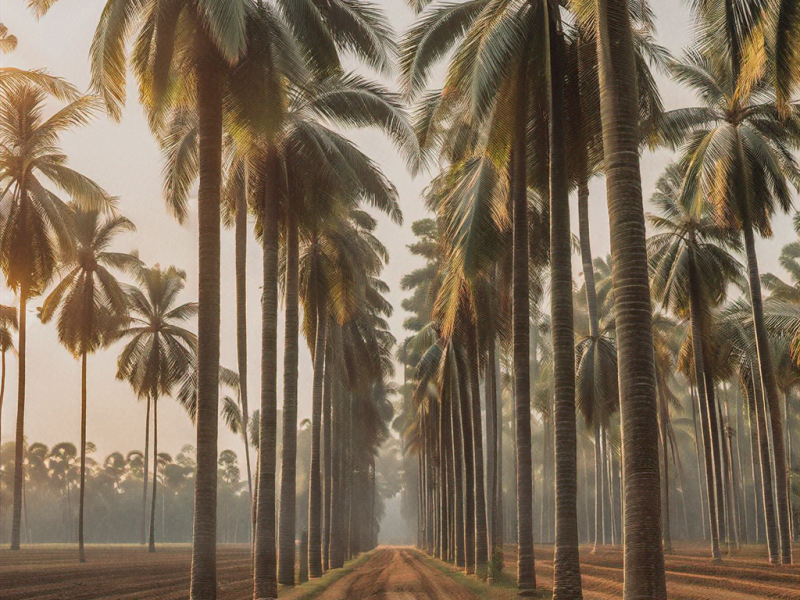
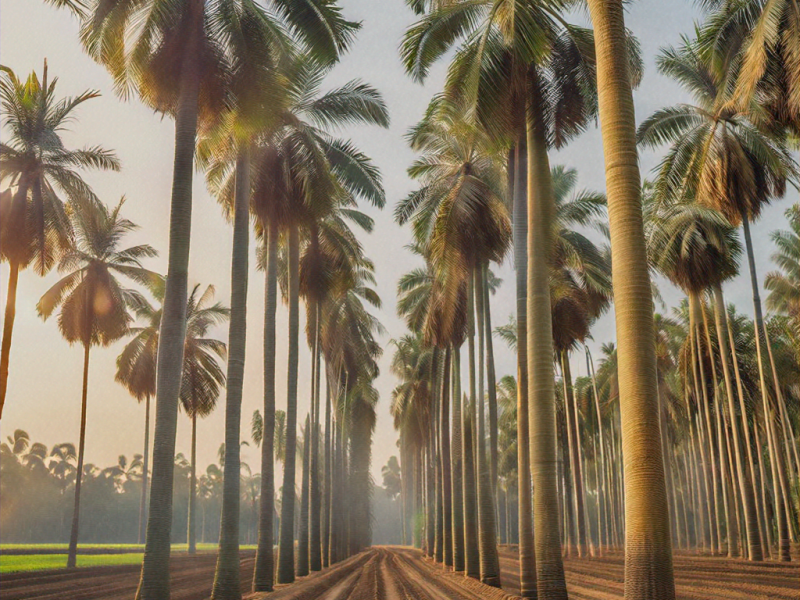
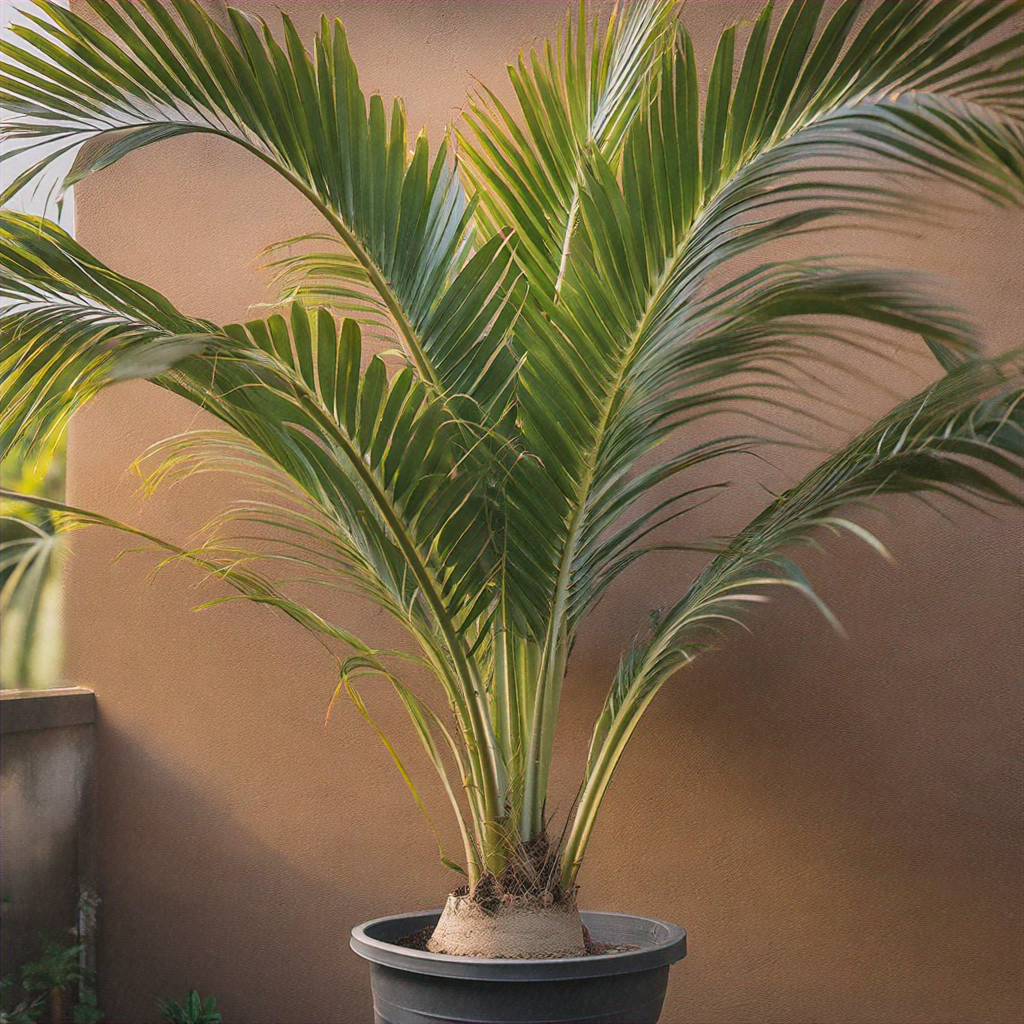
The King Palm, also known as the Cunningham Palm, is a stunning evergreen tree that can reach heights of up to 60 feet (18 meters) in its natural habitat. However, when grown in container or indoor settings, it typically remains a more manageable size, making it an excellent choice for balconies and small gardens. Its lush, feathery fronds and elegant, slender trunk contribute to its striking visual appeal, making it a sought-after addition to any tropical-themed landscape.
Climate Considerations for Karnataka
Karnataka’s diverse climate offers favorable conditions for growing the King Palm. The state’s coastal regions, such as Mangalore and Udupi, experience a subtropical climate with warm, humid summers and mild, wet winters – an ideal environment for this palm species. However, the inland regions of Karnataka, including Bengaluru and Mysuru, have a more temperate climate, which may require additional considerations for successful King Palm cultivation.
Balcony Setup for King Palm
Balconies offer an excellent opportunity to enjoy the beauty of the King Palm in urban settings. When selecting a suitable location, consider the following factors:
- Exposure: King Palms thrive in full sun, requiring at least 6 hours of direct sunlight per day. Choose a balcony that receives ample sunlight throughout the day.
- Size: While King Palms can be kept in containers for many years, they will eventually outgrow smaller balcony spaces. Opt for a balcony that can accommodate a mature palm, which may reach up to 15 feet (4.5 meters) in height and a similar width.
- Drainage: Ensure that the balcony has adequate drainage to prevent waterlogging, which can lead to root rot and other problems. Consider using a planter with drainage holes or installing a raised platform to improve drainage.
- Wind Protection: King Palms are susceptible to wind damage, particularly in exposed balcony settings. Use windbreaks, such as screens or enclosures, to protect the palm from strong gusts.
Indoor Cultivation of King Palm
For gardeners with limited outdoor space or those living in inland regions of Karnataka, growing the King Palm indoors can be a rewarding experience. Here are the key considerations for indoor King Palm cultivation:
- Lighting: King Palms require ample sunlight, even when grown indoors. Place the palm near a south-facing window or use supplemental lighting, such as high-intensity grow lights, to ensure it receives at least 6 hours of direct light per day.
- Container Size: Choose a container that is proportionate to the size of the palm, allowing for room to grow. As the palm matures, gradually move it to larger containers to accommodate its root system.
- Soil and Drainage: Use a well-draining, nutrient-rich potting mix specifically formulated for palms or citrus plants. Ensure the container has adequate drainage holes to prevent waterlogging.
- Temperature and Humidity: King Palms thrive in warm, humid environments. Maintain a temperature range of 70-85°F (21-29°C) and aim for a humidity level of 50-60%. Consider using a humidity tray or misting the palm regularly to increase humidity levels.
- Air Circulation: Provide good air circulation around the palm to prevent fungal diseases and encourage healthy growth. Use a gentle fan or ensure the palm is positioned in a well-ventilated area.
Planting and Transplanting
When it comes to planting and transplanting your King Palm, consider the following best practices:
- Timing: The best time to plant or transplant a King Palm is in the spring or early summer, when the palm is actively growing and can establish its root system more easily.
- Soil Preparation: Amend the soil with organic matter, such as compost or well-rotted manure, to improve drainage and nutrient content. Ensure the soil pH is in the range of 6.0-7.5.
- Planting Depth: Plant the King Palm at the same depth it was growing in its previous container or planting location. Avoid burying the trunk, as this can lead to rot and disease.
- Transplanting: When moving the palm to a larger container or outdoor location, handle the root ball carefully to minimize disturbance. Water the palm thoroughly before and after transplanting to reduce transplant shock.
Watering and Fertilizing
Proper watering and fertilization are crucial for the health and vigor of your King Palm:
- Watering: King Palms prefer consistently moist, but not waterlogged, soil. Water the palm when the top inch of soil becomes dry, taking care not to overwater. Adjust watering frequency based on the plant’s size, container size, and environmental conditions.
- Fertilizer: Use a balanced, slow-release palm fertilizer or a fertilizer specifically formulated for palms. Apply the fertilizer according to the manufacturer’s instructions, typically every 3-6 months during the growing season.
- Nutrient Deficiencies: Keep an eye out for any signs of nutrient deficiencies, such as yellowing leaves or stunted growth, and address them promptly with appropriate supplementation.
Pruning and Maintenance
Regular pruning and maintenance can help keep your King Palm looking its best:
- Pruning: Prune the palm in the spring or early summer to remove any dead, damaged, or discolored fronds. Use clean, sharp pruning shears and make clean cuts close to the trunk.
- Leaf Maintenance: Gently wipe the leaves with a damp cloth to remove dust and debris, which can impede photosynthesis and lead to disease.
- Pest and Disease Monitoring: Regularly inspect the palm for signs of pests or diseases, such as scale insects, spider mites, or fungal infections, and address any issues promptly.
Conclusion
Growing the King Palm on your balcony or indoors in Karnataka can be a rewarding and visually stunning addition to your living space. By understanding the specific climate requirements, planting and care needs, and best practices for this magnificent palm, you can create a lush, tropical oasis right in your own home. With the right conditions and dedicated care, your King Palm will thrive and bring a touch of natural beauty to your urban environment.
👥 Readers added context they thought people might want to know
Agri-X Verified PunjabFarmer_01
✔
PunjabFarmer_01
✔
Current formatting suggests planting in June. However, 2025 IMD data confirms delayed monsoon. Correct action: Wait until July 15th for this specific variety.
Have a correction? Log in to contribute.