

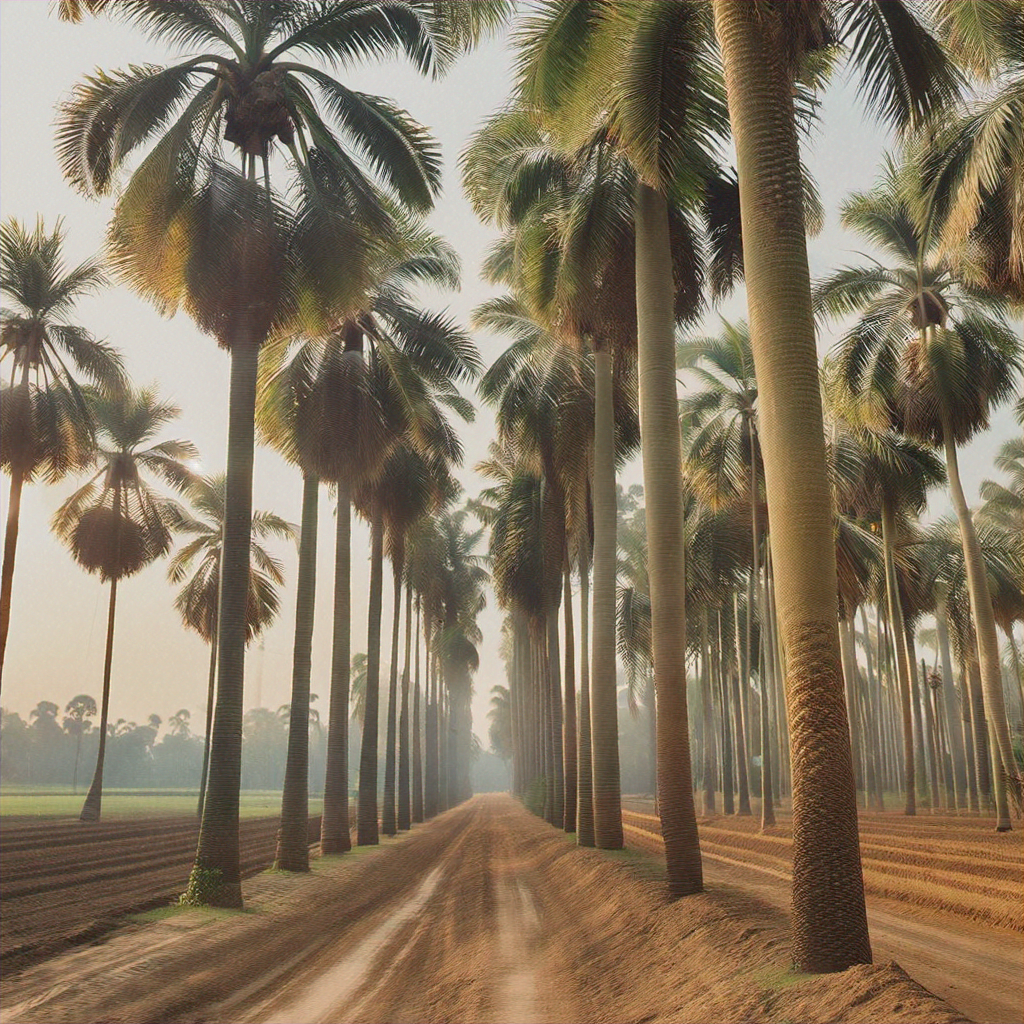
Growing King Palm – Plant Doctor & Care for Andhra Pradesh: Complete Guide & Best Practices
In the diverse landscape of Andhra Pradesh, the majestic King Palm stands tall, captivating the hearts of nature enthusiasts and gardeners alike. As the plant doctor, we’re here to provide a comprehensive guide on the art of growing and caring for this regal species, ensuring its thriving presence in the region.
The King Palm, scientifically known as Archontophoenix cunninghamiana, is a stunning addition to any outdoor space, offering a tropical touch and an air of elegance. With its graceful fronds and stately trunk, this palm has become a beloved choice for landscaping, providing both visual appeal and environmental benefits.
Understanding the King Palm
The King Palm is a native of eastern Australia, thriving in subtropical and tropical climates. In Andhra Pradesh, this palm can adapt to a range of growing conditions, making it a versatile choice for both residential and commercial landscapes.
One of the key characteristics of the King Palm is its impressive height, which can reach up to 60 feet (18 meters) in mature specimens. Its lush, feathery fronds can span up to 10 feet (3 meters) in length, creating a striking silhouette that adds depth and texture to any garden or landscape.
Site Selection and Preparation
Choosing the right location for your King Palm is crucial for its long-term success. In Andhra Pradesh, the palm prefers well-draining, fertile soil with a slightly acidic to neutral pH range (5.5 to 7.5). Avoid areas with heavy clay or compacted soil, as the King Palm requires good drainage to thrive.
When preparing the planting site, dig a hole that is two to three times the width of the root ball and slightly shallower. This will allow the roots to spread out and establish a strong foundation. Amend the soil with organic matter, such as compost or well-rotted manure, to improve nutrient content and water retention.
Planting and Transplanting
The ideal time to plant or transplant a King Palm in Andhra Pradesh is during the cooler months, typically from November to February. This timing allows the palm to establish its roots without the stress of hot, dry weather.
When handling the palm, be gentle and avoid damaging the root system. Carefully remove the palm from its container, being mindful not to disturb the root ball. Place the palm in the prepared hole and backfill with the amended soil, making sure the top of the root ball is level with the surrounding ground.
After planting, water the palm thoroughly to settle the soil and remove any air pockets. Continue to water the palm regularly, ensuring the soil remains moist but not waterlogged.
Caring for the King Palm
Watering
Proper watering is essential for the health and growth of the King Palm. In Andhra Pradesh, the palm requires regular, deep watering, especially during the dry season. Aim to keep the soil consistently moist, but avoid standing water, as this can lead to root rot and other fungal diseases.
During periods of drought or high temperatures, increase the frequency of watering to ensure the palm remains well-hydrated. Conversely, reduce watering during the rainy season to prevent waterlogging.
Fertilization
King Palms are heavy feeders and benefit from a balanced, nutrient-rich fertilizer regimen. Apply a slow-release, palm-specific fertilizer in early spring and mid-summer, following the manufacturer’s instructions for application rates and frequency.
In addition to the regular fertilizer application, consider supplementing with organic matter, such as compost or well-rotted manure, to further enhance soil fertility and nutrient availability.
Pruning and Maintenance
Pruning the King Palm is an essential part of its care routine in Andhra Pradesh. Regularly remove any dead, damaged, or dying fronds to maintain the palm’s elegant appearance and overall health. Prune during the growing season, avoiding the cooler months when the palm is less active.
It’s important to note that the King Palm is a single-trunk palm, meaning it will not produce multiple trunks. Avoid any attempts to cut or split the trunk, as this can severely damage or even kill the palm.
Pest and Disease Management
The King Palm is generally a hardy species, but it can be susceptible to certain pests and diseases in Andhra Pradesh. Keep an eye out for signs of infestation or infection, such as discolored fronds, wilting, or the presence of insects.
Common pests that may affect the King Palm include mites, scale insects, and borers. Treat any infestations promptly using appropriate, environmentally-friendly insecticides or organic control methods.
Diseases that can impact the King Palm include lethal yellowing, fusarium wilt, and various fungal infections. If you suspect your palm is suffering from a disease, consult a local plant expert or horticulturist for proper diagnosis and treatment recommendations.
Establishing and Maintaining the King Palm
Establishing a healthy King Palm in Andhra Pradesh requires patience and diligence, but the rewards are well worth the effort. Here are some additional tips to ensure your palm thrives:
- Acclimation: When introducing a new King Palm to your landscape, take the time to gradually acclimate it to its new environment. Provide some shade and gradually expose the palm to more sunlight over several weeks to avoid transplant shock.
- Mulching: Apply a 2-4 inch (5-10 cm) layer of organic mulch around the base of the palm, keeping it a few inches away from the trunk. This will help retain moisture, suppress weeds, and improve soil quality over time.
- Cold Protection: In cooler months, consider providing additional protection for your King Palm, such as a burlap or fabric wrap, to shield it from frost or freezing temperatures.
- Monitoring and Adjustments: Regularly monitor your King Palm’s growth and appearance, and make adjustments to watering, fertilization, and other care practices as needed to ensure optimal health.
Conclusion
The King Palm is a magnificent addition to the diverse landscapes of Andhra Pradesh, offering a touch of tropical elegance and environmental benefits. By following the comprehensive guide and best practices outlined in this article, you can successfully grow and care for your own King Palm, ensuring it thrives and becomes a cherished part of your outdoor space.
Remember, the key to successful King Palm cultivation lies in understanding the plant’s specific needs, providing the right growing conditions, and maintaining a dedicated care regimen. With patience, diligence, and a touch of green-fingered expertise, you can enjoy the beauty and majesty of the King Palm for years to come.
👥 Readers added context they thought people might want to know
Agri-X Verified PunjabFarmer_01
✔
PunjabFarmer_01
✔
Current formatting suggests planting in June. However, 2025 IMD data confirms delayed monsoon. Correct action: Wait until July 15th for this specific variety.
Have a correction? Log in to contribute.
